


















 03 8554 4343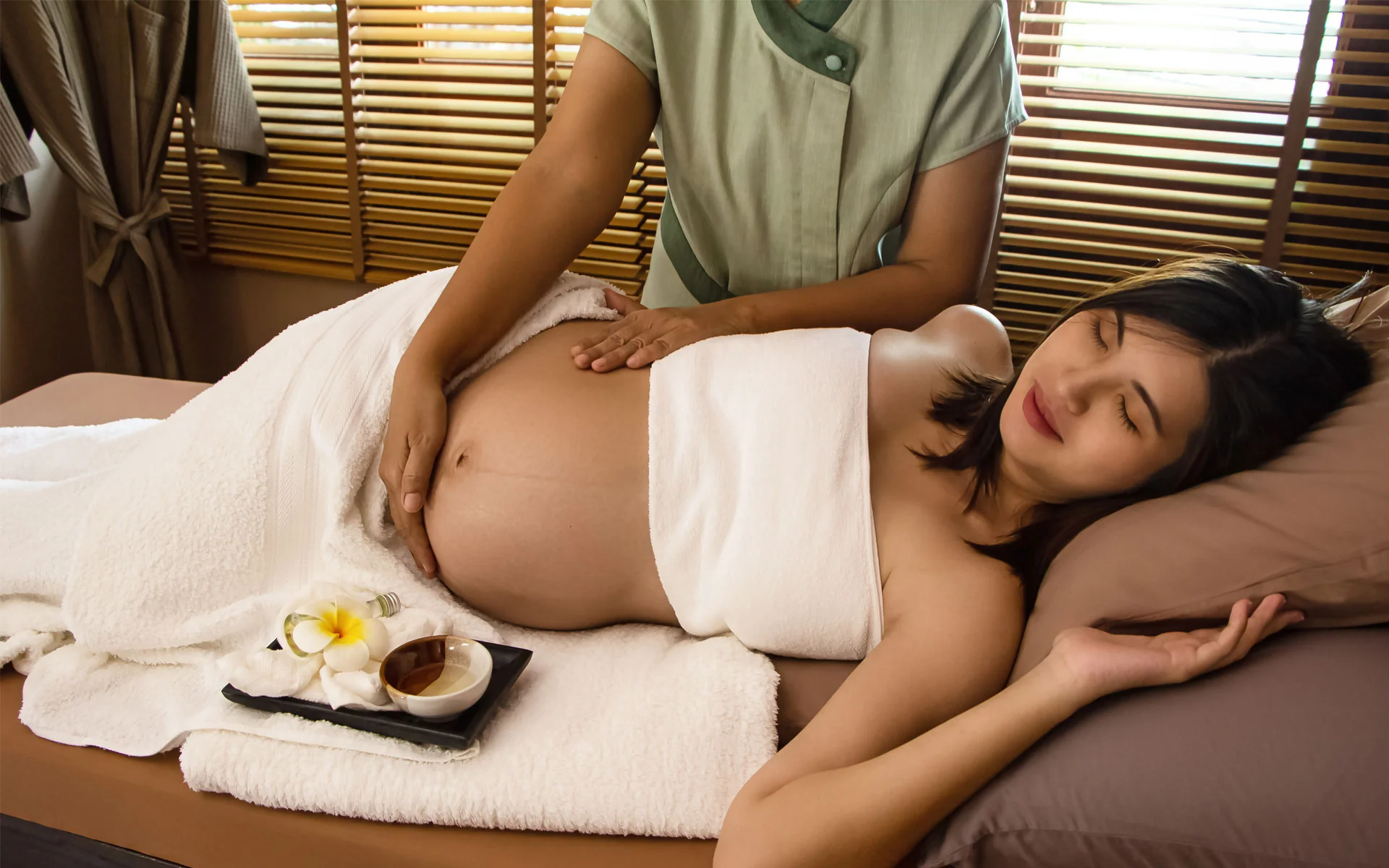
Pregnancy can bring many physical and emotional changes. As pregnancy progresses, you may experience back pain, swollen legs, sore muscles, tiredness, stress and difficulty sleeping. Finding safe ways to feel more comfortable can make a real difference during this time.
Pregnancy massage offers a gentle way to support relaxation and ease some of these common discomforts. However, pregnancy massage is different from a regular massage. Your body needs extra care during pregnancy, so the massage technique, pressure and position should suit your stage of pregnancy.
If you are considering pregnancy massage in Australia, here is what you should know before booking an appointment.
What is a pregnancy massage?
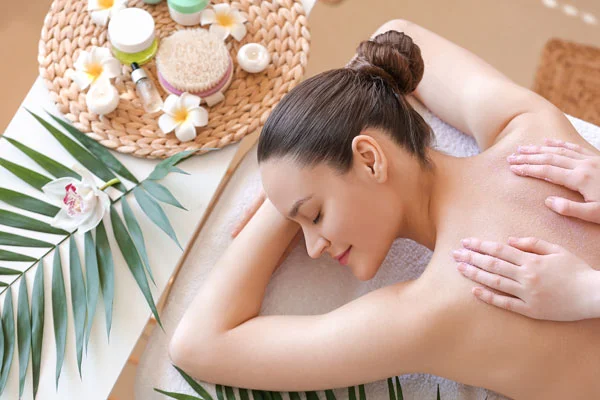
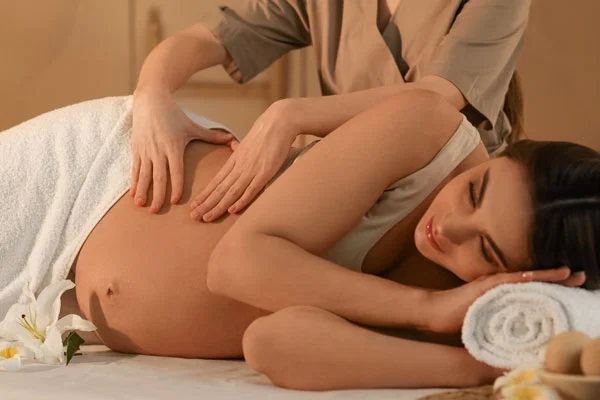
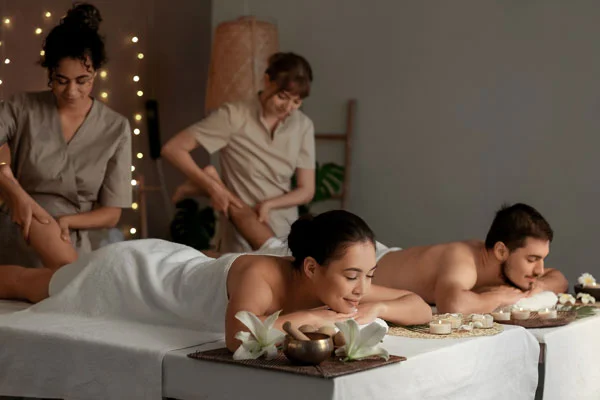
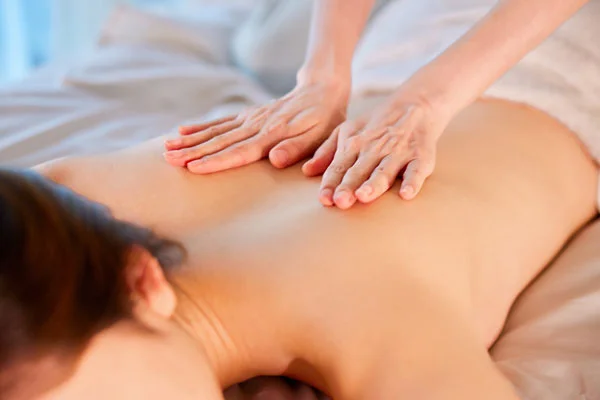
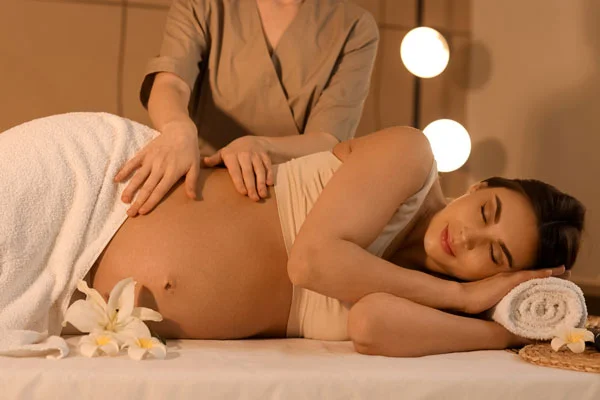
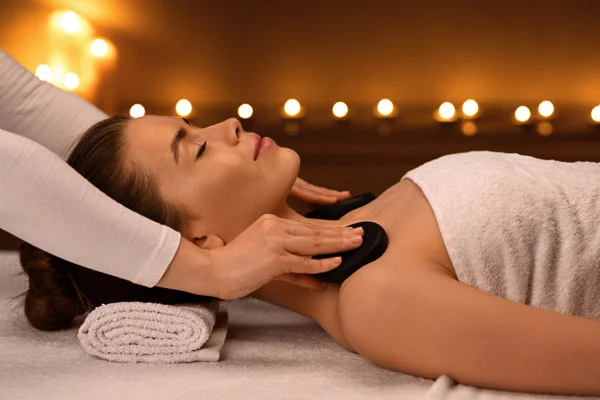
Pregnancy massage is a type of massage therapy designed specifically for people who are pregnant. It uses gentle techniques to help you relax and manage some of the physical discomforts that can come with pregnancy.
Pregnancy can place extra strain on your back, shoulders, neck and abdominal muscles. As your body changes, you may also experience discomfort in your legs and joints. A trained therapist can adjust the massage to focus on areas that need attention while keeping you comfortable.
Pregnancy massage may help reduce stress, improve your mood and sleep, and ease back and leg pain. It may also help with anxiety and depression.
Also Read – Best Treatment For Deep Wrinkles: Your Guide to Non-Surgical Rejuvenation
Is pregnancy massage safe?
Massage therapy is generally considered safe during pregnancy, but not every type of massage is suitable. You should always speak with your doctor or midwife before booking a pregnancy massage, particularly if you have a high-risk pregnancy or any existing health concerns.
Your therapist should also know that you are pregnant and how far along you are. This information allows them to adjust the treatment according to your needs.
Pregnancy massage should remain gentle. Your therapist should avoid certain pressure points and should not massage your abdomen. They should also use extra care around your legs because pregnancy can increase your risk of developing blood clots.
Why does positioning matter?
Your body position during a massage becomes increasingly important as your pregnancy progresses.
You should avoid lying flat on your back during the second half of pregnancy, especially during the third trimester. This position can put pressure on a major vein that carries blood from your legs back towards your heart. It may cause dizziness or shortness of breath and can reduce the amount of oxygen reaching your baby.
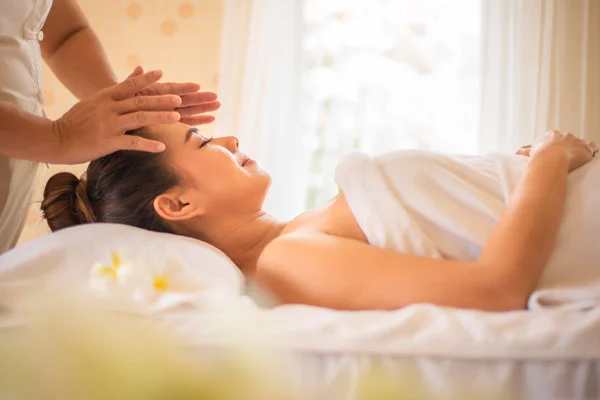
A pregnancy massage therapist can use pillows and other supports to help you stay comfortable. You may receive your massage while lying on your side or in another position that suits your stage of pregnancy.
Also Read – Clinical Guide to Skin Tightening Treatments in Melbourne
What happens during a pregnancy massage?
Your therapist should speak with you before the treatment begins. They may ask about your health, pregnancy, lifestyle, medications and any discomfort you currently experience.
You can usually choose how much clothing you want to remove. The therapist should cover you with a sheet or towel and only expose the area they are working on.
They may use pillows to support your body and help you maintain a comfortable position. The massage should feel relaxing rather than painful. If the pressure feels uncomfortable at any point, tell your therapist so they can adjust the treatment.
Massage treatments commonly last between 30 and 60 minutes, although the length can vary depending on the service and your needs.
What are the benefits of pregnancy massage?
Pregnancy massage can offer several potential benefits when performed safely by a trained therapist.
It may help you:
- Reduce stress and promote relaxation
- Ease back and leg pain
- Reduce muscle and joint discomfort
- Improve your mood
- Support better sleep
- Manage feelings of anxiety
- Reduce swelling and general physical discomfort
Massage during labour can also help manage pain and may improve the emotional experience of labour. However, pregnancy massage before labour and massage during labour serve different purposes.
Also Read – Cheek Augmentation: Surgical Implants vs Fat Grafting
What should you ask before booking?
Choosing the right therapist matters during pregnancy. Ask whether they have specific training and experience in pregnancy massage.
You should also ask what techniques they use, how they position pregnant clients and which products they use during treatment. Any creams or oils should be suitable for use during pregnancy.
In Australia, massage therapists do not have to hold formal qualifications by law. Healthdirect recommends looking for a registered therapist who is properly trained and insured.
When should you avoid massage?
It is always best to speak with your doctor or midwife before having a pregnancy massage, especially if you have any medical concerns. Do not use massage as a substitute for medical care.
You should also speak with your doctor or midwife before having a pregnancy massage if you have been advised to avoid physical activity, have a high-risk pregnancy, are experiencing persistent back or pelvic pain, have high blood pressure, or have any other pregnancy-related concerns.
Also Read – Achieve Younger Looking Skin With Anti-Wrinkle Treatments
Make comfort and safety the priority
Pregnancy massage can be a relaxing addition to your pregnancy self-care routine. It may help ease everyday aches, reduce stress and give you some much-needed time to slow down.
At Kiora, we understand that every pregnancy is different. We focus on creating a comfortable and calming experience while tailoring our approach to your needs. We encourage you to speak with your doctor or midwife before booking and let our team know about any concerns so we can help you feel comfortable throughout your treatment.
With the right approach and professional care, pregnancy massage can be a soothing way to look after yourself during this important stage of life.