


























 03 8554 4343
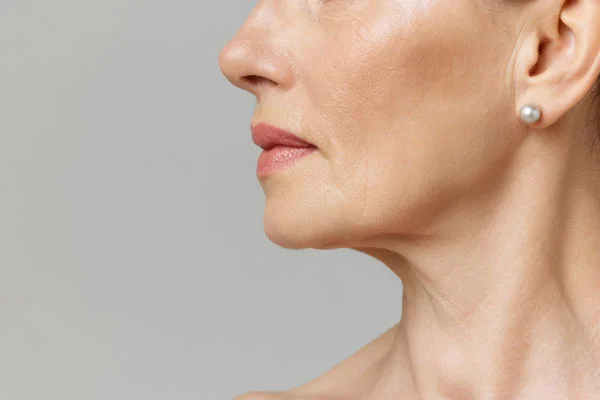
Ageing is a natural part of life. With time, fine lines develop and these can gradually settle into permanent creases. Apart from age, the unpredictable weather and our everyday facial expressions can also contribute to the folds on our skin.
Modern medical science has developed exponentially. Now, if you wish, these creases can be reduced with the help of experienced clinicians. While over-the-counter skincare plays a helpful role in daily surface maintenance, deeper structural creases often benefit from assessments from professionals. They have the expertise to advice targeted, evidence-based modalities.
Here is a realistic breakdown of why deep wrinkles form in the first place, and what clinical science actually says about rebuilding your skin’s strength from within.
Why Do Fine Lines Deepen
To manage deep creases, it helps to understand what happens beneath the skin’s surface. Wrinkles develop through structural shifts across multiple facial layers over time.
As we age, our cells naturally slow their production of collagen, elastin, and moisture. This leaves the middle layers of your skin thinner and less resilient.
Deeper down, facial fat pads shrink and shift, and even our bone structure subtly thins. Without that solid internal support to hold everything up, the surface skin simply folds and settles into established creases.
Also Read – Spa Treatments You Can (And Can’t) Enjoy While Pregnant
Types of Wrinkles
A common oversight in skin management is treating every crease the same way. In clinical practice, we divide facial lines into two categories. Understanding which type we are dealing with is crucial for building a tailored plan suitable for every unique anatomy.
Dynamic Creases
Think about what happens every time you laugh, squint at a laptop screen, or raise your eyebrows during a conversation. These expression lines, what we call dynamic wrinkles are simply the visible result of your underlying facial muscles pulling on the skin. When you are younger and your skin is rich in bounce and elasticity, these marks show up only while you are actively moving your face, completely disappearing the second your expression clears.
Dynamic crease management involves a clinical consultation. A qualified practitioner will assess your unique facial anatomy and movement patterns to discuss individualised, evidence-based options. The goal of any clinical aesthetic plan is always to support your skin’s resilience while ensuring your natural facial expressions remain genuine, warm, and entirely intact.
Static Creases
Unlike expression lines, static wrinkles are the deep creases that linger even when your face is completely relaxed. These include the established grooves around the mouth or permanent indentations across the forehead. They form gradually as a result of cumulative skin thinning, years of Melbourne sun exposure, and the natural loss of underlying facial volume that happens as we age. Eventually, the constant folding of your daily facial movements weakens the skin structure, effectively stamping an impression into the tissue.
Because this breakdown happens deep beneath the surface, standard over-the-counter night creams simply cannot reach or repair the damage. Truly smoothing out static creases requires targeted, in-clinic therapies designed to rebuild tissue density and restore the skin’s structural foundations from within.
Also Read – Facts About Laser Hair Removal in Melbourne
In-Clinic Modalities: Energy-Based and Regenerative Therapies for Structural Support
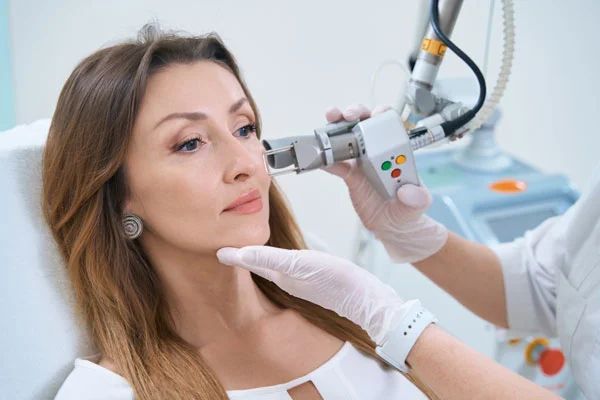
When searching for a trusted treatment for deep wrinkles, it is important to realise that modern non-surgical care has shifted away from aggressive alterations. Today, the focus is heavily on regenerative medicine, using clinical technology to encourage your own body to rebuild its supportive foundations. Because deep lines stem from structural loss, effective treatment must target the deeper layers of the skin. After a thorough assessment, your doctor may suggest an integrated care plan using one or more of the following advanced approaches:
Progressive Thermal Skin Tightening
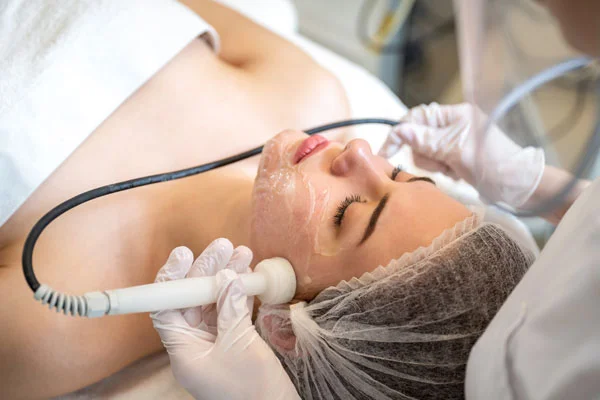
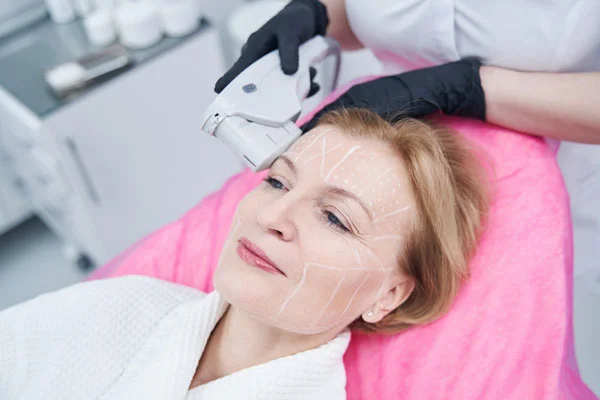
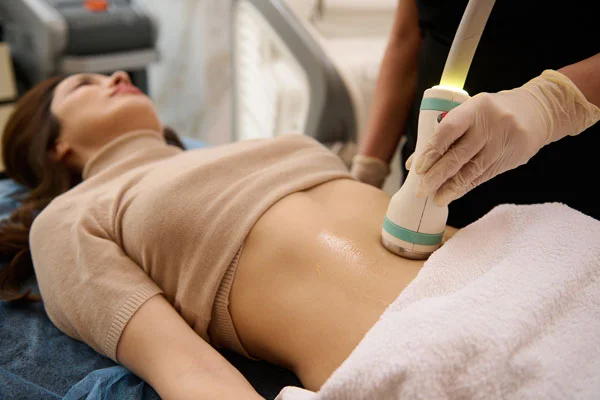
Energy-based systems using medical ultrasound or radiofrequency send controlled warmth down into the deeper supporting layers of the face, leaving the surface skin completely untouched.
How it works: The targeted thermal energy creates precise zones of heating beneath the skin, which kicks off your body’s natural tissue-repair response with thermal skin tightening.
What to expect: Over two to six months, this biological process encourages your fibroblasts to produce fresh, healthy collagen and elastin. This gradual renewal is designed to improve loose skin naturally, helping to lift facial contours and soften the depth of static folds without pulling or stretching the face.
Also Read – Guide to Chin Fat Removal: What You Should Know
Advanced Laser Resurfacing and Textural Refinement
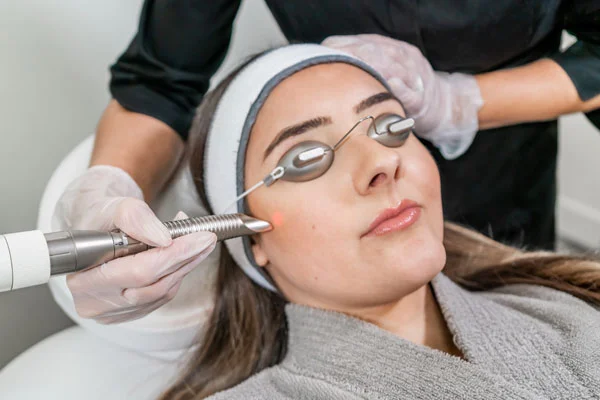
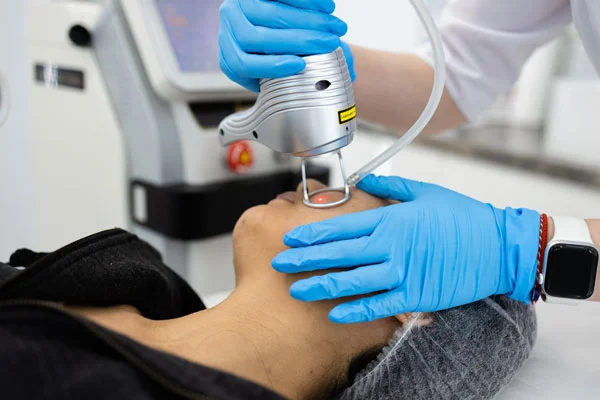
Medical-grade lasers utilising specialised modalities such as Erbium and Q-switched allow clinicians to work across different depths of the skin to smooth out roughness and restore a healthier texture. This includes:
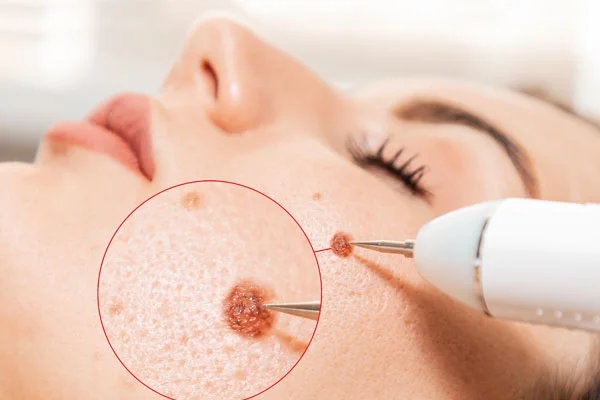
Surface improvement: By gently clearing away dead, dull cells on the surface, targeted laser treatments encourage natural cellular turnover and can help soften the hard edges of deep, etched creases.
Dermal heating: Deeper infrared light wavelengths gently warm the mid-layers of the skin. This controlled thermal energy can encourage the temporary contraction of existing collagen fibers. This contributes to an early smoothing effect while stimulating ongoing tissue renewal over the following months.
Collagen-Supporting Structural Therapies
When deep folds are tied to a loss of underlying tissue, clinical care shifts toward giving the skin the structural support it is missing.
Targeted support: Working below the skin surface, specialised clinical treatments help improve tissue density and resilience in areas where natural volume has gradually drifted or depleted over time.
Holistic perspective: Rather than focusing obsessively on a single deep line, a skilled doctor looks at the balance of your whole face. This comprehensive approach helps ensure that any step taken supports your natural proportions and keeps your features looking authentic and refreshed.
Winding Up
Deep lines and creases are a completely normal part of ageing, but that doesn’t mean you have to settle for looking more fatigued than you actually feel. Today’s non-surgical medical care gives us practical, science-backed ways to support and refresh your skin without changing who you see in the mirror. By prioritising genuine tissue renewal over heavy-handed alterations, we can help you achieve subtle improvements that leave you looking fresh and well-rested.
Whenever you are ready to explore your options, get in touch with our medical team at Kiora Skin Clinic & Spa. Book your consultation today, and let’s start an honest conversation about your skin health.