























 03 8554 4343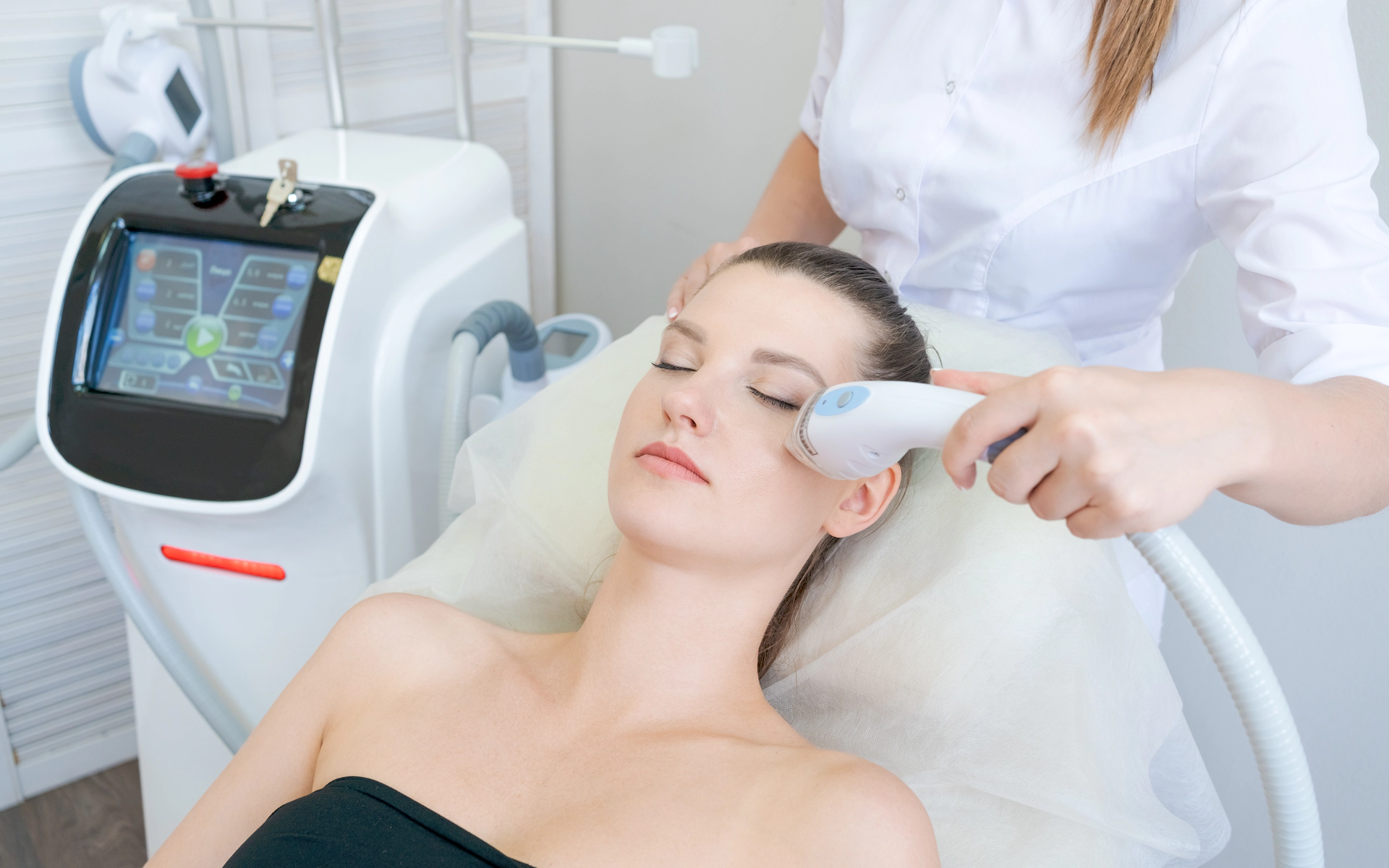
The Melbourne sun can feel harsh against your skin, leading to loss of cheek volume or a softening jawline. Over time, the exposure can also contribute to fine lines and uneven texture. You might want to refresh your skin without the hassle of surgery. Why not go for a non-surgical facelift?
A non-surgical facelift can help you target visible signs of ageing without incisions or lengthy recovery. But with so many options available, including lasers and injectables, how do you know which best suits your skin? This comprehensive guide answers all your questions.
Read on to find out more about a non-surgical facelift and if it’s the right choice for you.
What is a Non-Surgical Facelift?
Before diving into technical details of a non-surgical facelift, it is crucial to understand what it means. Unlike the traditional surgical method, which removes and repositions tissue, the non-surgical method combines personalised, non-invasive treatments to lift, restore volume, and tighten facial tissues from the inside out.
A non-surgical facelift is a gradual process that works within your skin’s natural limits. Your skin might look firmer, smoother, and more refreshed as tissue remodelling and collagen production occur over time.
The right treatment, however, depends on your skin type, age, lifestyle, and the result you want to achieve.
Also Read – Clinical Guide to Skin Tightening Treatments in Melbourne
Types of Non-Surgical Facelift
There are three different types of non-surgical facelift methods. These are:
Fotona 4D and Er: YAG Resurfacing – Laser Treatments
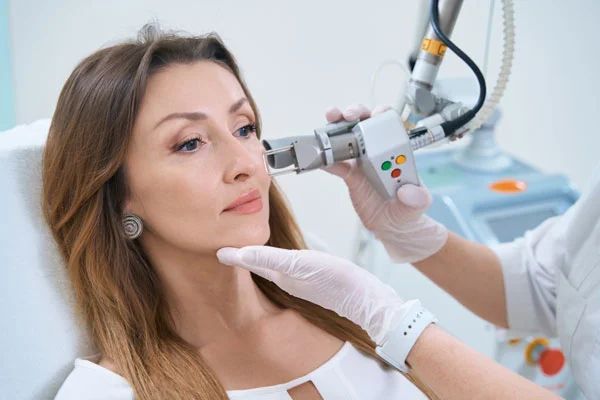
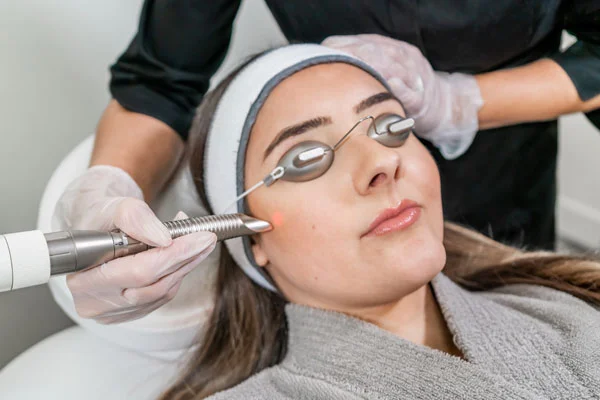
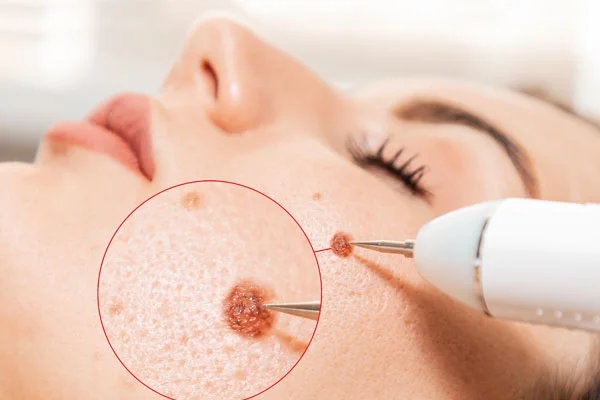
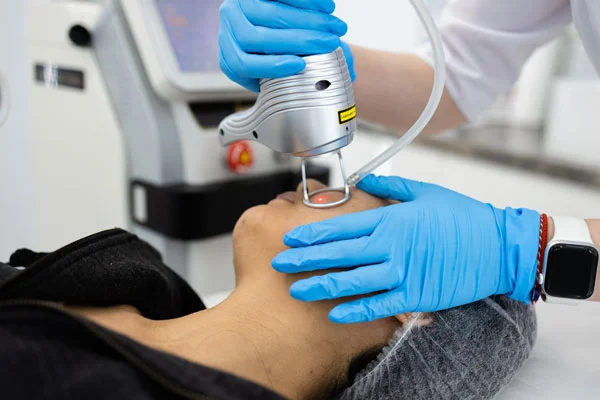
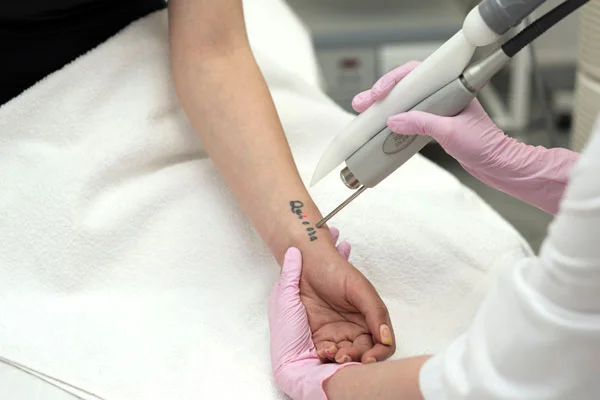
This treatment uses controlled light energy to target skin texture, fine lines, pigmentation, and other visible signs of ageing. Fotona 4D combines different laser wavelengths and treatment modes to work at different depths, all the while improving fine lines, skin firmness, and overall facial appearance. Er: YAG resurfacing works towards the skin’s surface and helps refine the texture.
Anti-Wrinkle and Dermal Filler – Injectables
Injectables like anti-wrinkle injections and dermal fillers take a different approach when it comes to a facelift. An anti-wrinkle injection can temporarily relax targeted facial muscles and soften the appearance of wrinkles, whereas dermal fillers enhance facial volume in lips, cheeks, and lower face.
HIFU and Ultherapy – Focused-Energy Devices
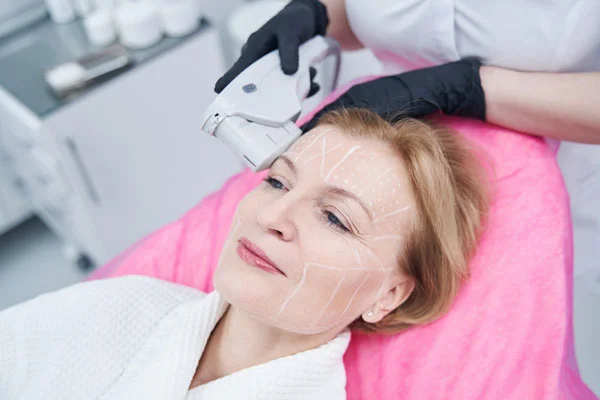
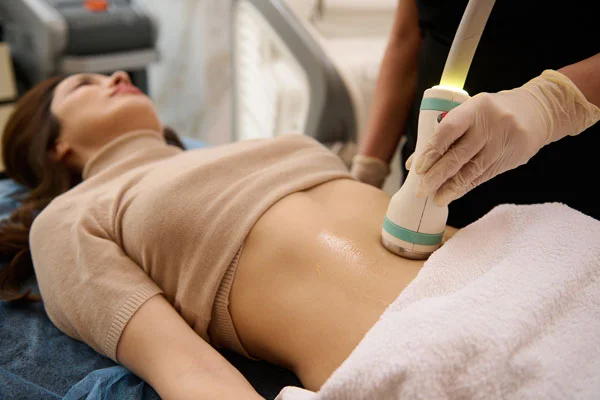
HIFU (High-Intensity Focused Ultrasound) and Ultherapy use focused ultrasound energy to target deeper layers of tissue. By delivering controlled energy beneath the skin, these treatments aim to stimulate collagen production and improve the appearance of skin firmness and laxity.
With several treatment options available, Fotona 4D stands out for its advanced approach to non-surgical facial rejuvenation. Let’s take a closer look at what makes it a preferred choice.
Also Read – Cheek Augmentation: Surgical Implants vs Fat Grafting
Why Choose Fotona 4D?
Fotona 4D is the natural way of supporting your ageing skin. The treatment does not involve any injectables or surgery. It is based on a laser technology that is designed to gently heat the multiple layers of your skin. One of the key advantages of the Fotona 4D treatment is its versatility. The practitioner can adjust the treatment according to your skin type and desired outcome.
Wondering when to consider this treatment?
- Early signs of skin laxity
- Fine lines or mild wrinkling
- Uneven skin tone or rough texture
- Clients who want a gradual, non-surgical option
Four Modes, Four Depths: How Fotona 4D Works
Fotona 4D is a four-step process. The 4D defines the use of four different laser settings. The treatment focuses on stimulating collagen, a naturally occurring protein that helps maintain the skin’s structure, firmness, and elasticity.
As we age, collagen production naturally declines, which can contribute to looser, less resilient skin and visible fine lines. By delivering controlled laser energy, the treatment encourages the skin’s natural collagen-building process, helping improve its texture, firmness, and overall appearance over time.
1. SmoothLiftin
This works from inside the mouth to stimulate collagen production in the cheeks and around the mouth.
2. FRAC3
This level targets the irregularities hidden deep inside the skin to help with texture.
3. PIANO
It delivers controlled heat deeper into skin tissues.
4. SupErficial
The final stage uses the Er: YAG wavelength to work closer to the skin’s surface.
Also Read – Facial Slimming Treatment Guide: Benefits & What to Expect
Which Laser Suits Your Skin?
Choosing the right laser is not about selecting the best available treatment. It is about your skin type, treatment goals, and concerns. If your main concern is fine lines and uneven texture, a treatment that focuses on the skin’s surface may be more relevant. Er: YAG-based treatment can be useful for improving the appearance and feel of the skin.
If you are more concerned about skin laxity and loss of firmness, deeper Nd: YAG-based modes may be considered. These work by delivering controlled heat into deeper tissues to encourage collagen remodelling.
For people dealing with multiple concerns, a combination treatment such as Fotona 4D can be appealing because it addresses different depths during the same treatment session.
Your skin tone also matters. Laser treatments need to be selected and adjusted carefully according to individual skin characteristics. A qualified practitioner can assess your skin and determine whether a particular wavelength or treatment approach is appropriate.
There is no universal “best laser”. The most suitable option is the one that matches your skin, concerns, and desired outcome.
What to Expect After Your Fotona Face Lift
One of the reasons people consider a Fotona face lift is that it does not require the type of recovery associated with traditional facelift surgery.
Immediately after treatment, you may experience some warmth, mild redness or sensitivity. These effects generally settle as the skin recovers, although your individual experience can vary depending on the treatment settings and your skin.
Your practitioner will provide aftercare instructions based on your treatment. These may include protecting your skin from direct sun exposure, using gentle skincare products, and keeping the skin adequately moisturised.
It is also important to remember that collagen remodelling takes time. You may notice some changes relatively soon, but the full effect is generally gradual as your skin continues its natural renewal and collagen-building processes.
Results can also vary between individuals. Factors such as age, skin condition, lifestyle, and the degree of skin laxity can influence the outcome.
A consultation is therefore important for understanding what Fotona 4D can realistically achieve for your skin.
Also Read – Best Treatment For Deep Wrinkles: Your Guide to Non-Surgical Rejuvenation
The Last Word
A non-surgical facelift can be an appealing option if you want to address signs of facial ageing without undergoing surgery. From radiofrequency and ultrasound to different types of laser treatments, there are several technologies available, each with its own purpose.
Fotona 4D offers a particularly comprehensive approach by combining four treatment modes that work at different depths. This makes it possible to address several concerns, including skin firmness, texture and visible signs of ageing, within a customised treatment plan.
If you are considering a non-surgical facelift in Melbourne, the best starting point is a professional consultation. Instead of choosing a treatment based solely on its popularity, have your skin assessed and discuss your concerns, expectations and suitable options.
With the right approach, non-surgical facial rejuvenation can help you achieve skin that looks fresher, smoother and more naturally refreshed, without changing the features that make your face uniquely yours.