







































 03 8554 4343
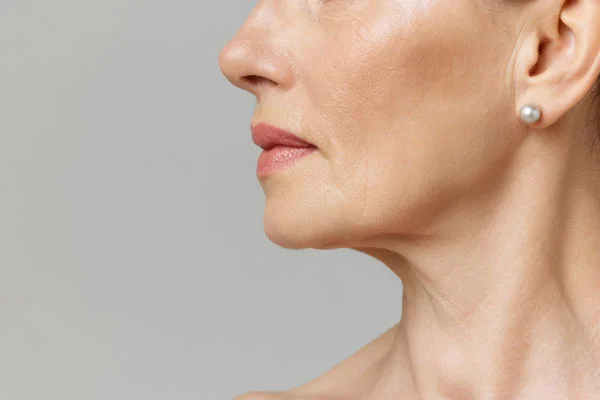
Our facial features naturally evolve as the years pass, but few changes impact our appearance quite like the loss of definition in the mid-face. It’s a completely natural process. Over time, the deep fat pads that support the cheeks naturally lose density, underlying bone structure gradually resorbs, and the skin loses its firm scaffolding. This can leave the mid-face looking flat or hollow.
While temporary, non-surgical consultations are common for early adjustments, many patients eventually look for long-term surgical options. In the surgical field, this generally involves comparing two distinct choices: alloplastic cheek implants or autologous fat grafting.
Though both procedures address the mid-face, they work through completely different anatomical mechanisms, require distinct healing timelines, and suit different facial structures.
What Does the Cheek Augmentation Procedure Target?
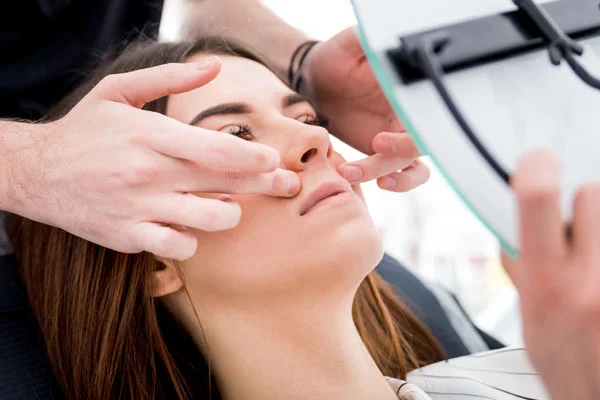
An effective cheek augmentation plan relies heavily on identifying exactly where tissue or skeletal support has changed. A practitioner evaluates your face across three distinct anatomical zones rather than treating the cheek as a single unit.
First is the high, outer cheekbone area, known as the malar region. Augmenting this zone provides skeletal projection. Just below that sits the submalar area, which is the fleshy part of the cheek prone to noticeable hollowing as soft tissue levels decline. Finally, there is the medial cheek, the area directly under the eyes and adjacent to the nose where structural changes often show up early.
Pinpointing which of these zones requires structural support dictates whether an implant or your own tissue is clinically indicated for a seamless result.
Also Read – Spa Treatments You Can (And Can’t) Enjoy While Pregnant
Understanding Cheek Implants and Fat Grafting
The choice between a manufactured implant and using your own living tissue is a choice between modifying your skeletal foundation or replacing your soft tissue layers.
Alloplastic Cheek Implants
Cheek implants are permanent, solid devices crafted from biocompatible, biostable materials like medical-grade silicone or porous polyethylene.
Performed as a day surgery under general anaesthesia or deep sedation, these are placed directly onto your facial skeleton. To minimise visible external scarring, incisions are typically placed inside the mouth or right along the lower lash line. Because the implant sits flush against the bone, it provides fixed structural projection based on the pre-planned dimensions of the device, creating a firm structural base that soft tissues cannot replicate.
Autologous Fat Grafting (Lipofilling)
Autologous fat grafting takes a completely different path, using your own living tissue to restore mid-face density. Because this involves moving tissue from one part of the body to another, the day surgery is essentially handled in two parts.
The process begins with a gentle fat harvest, typically from an area with stable reserves like the abdomen or outer thighs using targeted liposuction. This harvested tissue is then carefully purified to separate the healthy, viable fat cells from surrounding fluids and oils. Once prepared, those cells are gently placed into the face using fine cannulas, layering them directly into the deep soft tissue planes and natural fat pads of the cheeks. The long-term outcome relies entirely on these transferred cells connecting to the local blood supply; when they successfully integrate, they remain permanently and behave exactly like normal facial tissue.
Also Read – Guide to Chin Fat Removal: What You Should Know
Implants vs. Fat Grafting: Key Differences
Choosing a surgical path requires weighing how much time you are willing to spend in surgery, how the results evolve, and what your body can tolerate during recovery.
Procedure Times and Longevity
An implant procedure is generally completed within one to two hours. Because it utilises a solid, biostable medical device, the structural foundation it creates is fixed; the material itself does not break down or change shape over time. However, while the implant remains stable, it is important to remember that your natural facial tissues will continue to age around it.
Fat grafting, on the other hand, is a longer process usually taking one and a half to three hours because of the extraction and purification steps. The results are long-term, but they come with an initial transition phase. In the three to six months following surgery, your body will naturally resorb a portion of the transferred fat, sometimes between 30% and 50%. The cells that survive this initial window establish a permanent blood supply and remain indefinitely.
Recovery
Healing from cheek implants generally takes about two to three weeks. Because the tissue is lifted off the bone, you will experience noticeable localised swelling, a temporary tightness when you smile or speak, and you will need to stick to a soft-food diet while the internal oral incisions heal.
Fat grafting splits your recovery focus across two areas. Your face will typically settle down within a week or two, but the liposuction donor site will need two to four weeks of healing. You will also need to wear a supportive compression garment over the donor area during this time to ensure the skin contours heal smoothly.
Also Read – Tattoo Removal Guide: How to Choose a Tattoo Removal Service?
Clinical Risks
No surgical procedure is without risk, and the potential complications for these two options look quite different. With alloplastic implants, primary concerns involve introducing a foreign object to the body. This includes the risk of infection (which may require completely removing the implant), the device shifting out of alignment, localised nerve numbness in the lip or cheek, or capsular contracture.
With fat grafting, the risks are tied to tissue survival. These include structural asymmetry, variable fat resorption that might leave you needing a secondary procedure, fat necrosis (where unintegrated fat forms small, firm oil cysts), or contour irregularities at the liposuction site.
While these risks are important to understand, having your procedure undertaken by a highly qualified, experienced professional is the most effective way to minimise potential complications. Trusting your care only to accredited specialists ensures that advanced surgical techniques and strict safety protocols are maintained from start to finish.
Also Read – Guide to Pigmentation Removal Costs in Melbourne (2026)
How to Choose the Right Match for Your Anatomy
Your final decision relies on a thorough clinical evaluation of your unique facial proportions and tissues.
If you have a naturally flat mid-face due to your genetics or bone structure, cheek implants are usually the most effective choice because they physically build up that missing skeletal foundation. However, if you previously had beautifully defined cheeks but have noticed hollowing due to weight loss or the natural aging process, fat grafting is often superior. It replaces lost fat with actual soft tissue, giving the face a naturally rounded rejuvenation.
Your physical build also plays a decisive role. Fat grafting requires you to have adequate, stable fat reserves somewhere else on your body. If you have an exceptionally lean build, you may simply not have enough donor tissue, making alloplastic implants the only anatomically viable surgical route for permanent mid-face augmentation.
Australian Regulatory Context & Safety Notice
In strict accordance with the Therapeutic Goods Administration (TGA) and AHPRA guidelines, all cosmetic surgical procedures in Australia carry inherent medical risks and require a structured, multi-step medical consultation process. For surgical interventions like implants or fat grafting, a mandatory cooling-off period applies after your initial consultation with a registered medical practitioner. This ensures you have adequate time to review the complete risk profiles, costs, and recovery expectations in a private setting before deciding to proceed with surgery. No procedure should be booked without a comprehensive GP referral or a direct, formal evaluation by the operating practitioner.