






























 03 8554 4343
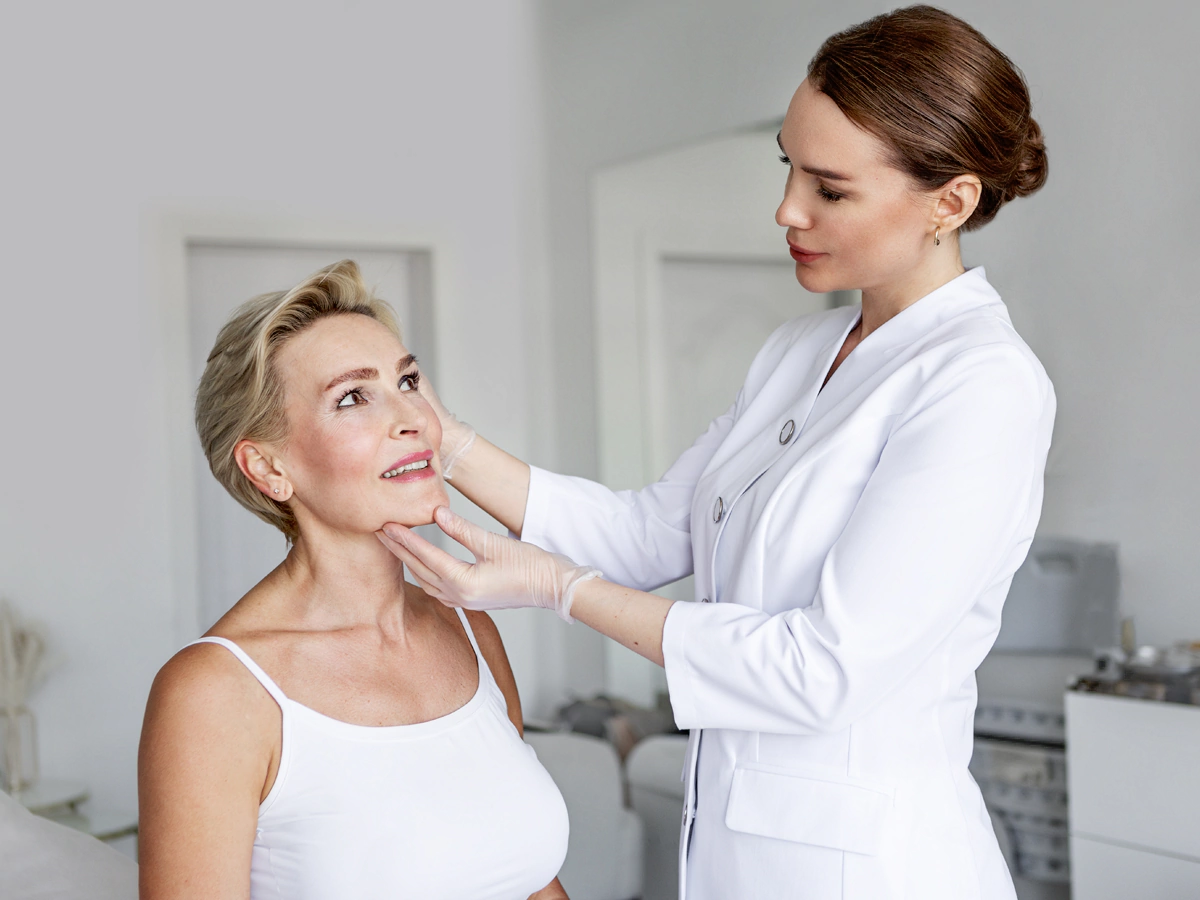
Skin is a living organ that changes continuously. Hormones, sun exposure, stress, sleep and genetics all shape its appearance and behaviour, which is why a routine that suits you at 25 may no longer serve you at 55.
A cosmetic medical clinic approaches skin care with this long-term perspective. Rather than offering the same product or treatment to every client, a practitioner assesses your skin type, medical history and goals, then develops a plan for your current stage of life. This guide outlines what skin needs in each decade and how professional care can support it.
Skin Care in Your 20s: Build Protective Habits
In your 20s, skin is typically resilient. Cell turnover is rapid and collagen levels are generally healthy. This is also the decade in which daily habits take hold, and those habits strongly influence how your skin ages.
Sun protection is the most valuable habit to establish. Ultraviolet radiation is the main cause of skin cancer and a major contributor to premature skin ageing, and its effects accumulate over many years. Cancer Council Australia recommends broad-spectrum, water-resistant sunscreen of SPF 30 or higher, applied on days when the UV Index reaches 3 or above and reapplied every two hours outdoors.
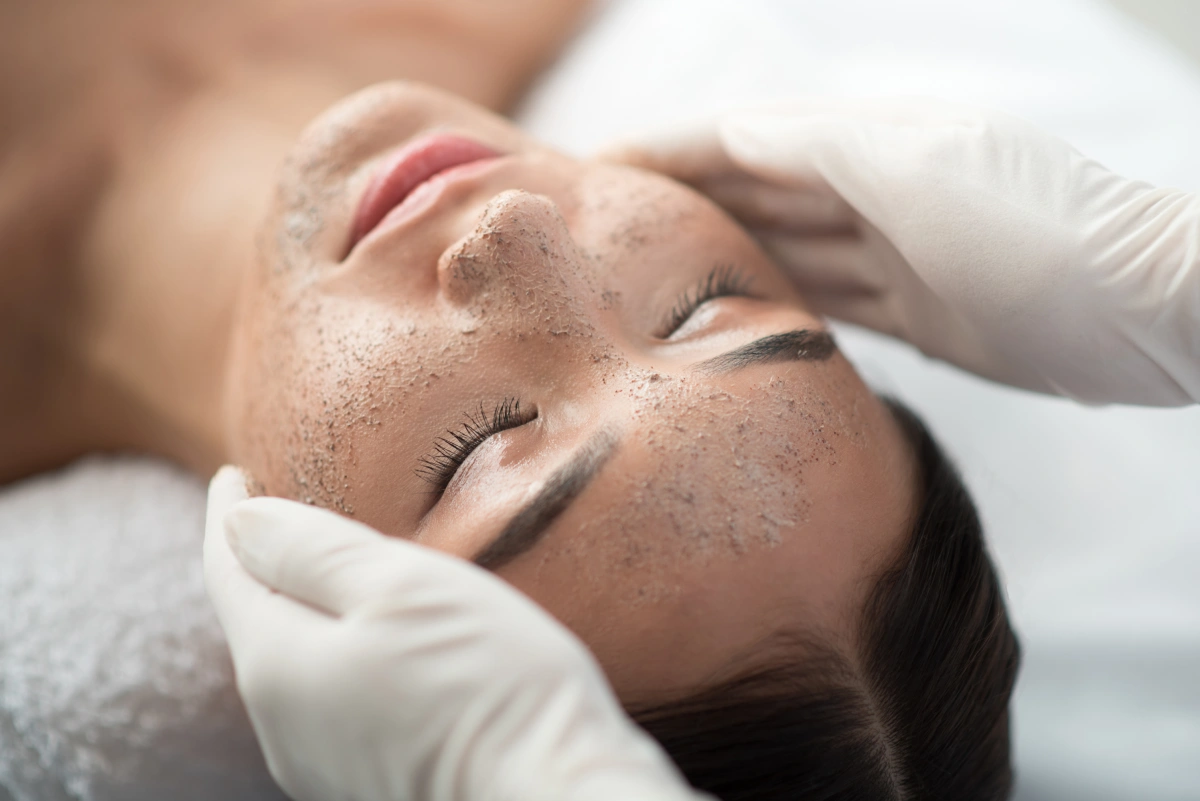
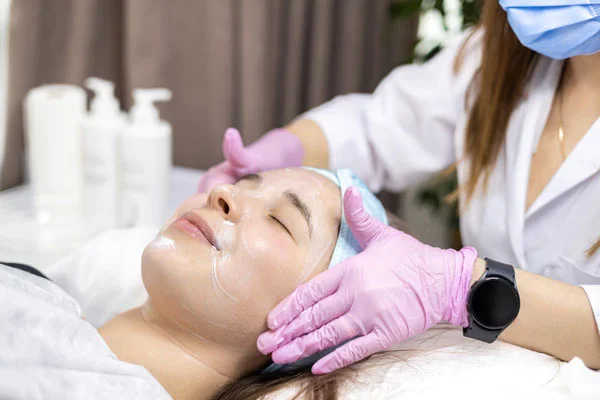
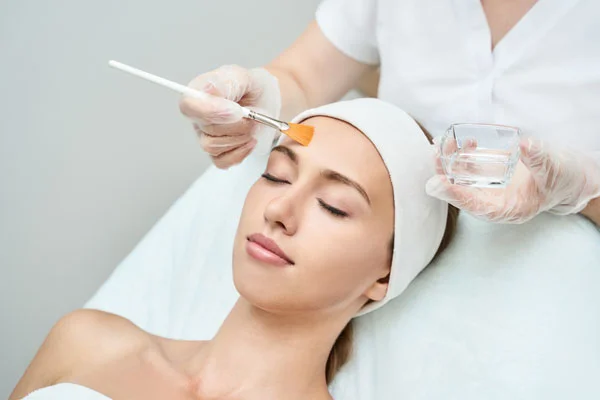
Breakouts and oily skin are also common at this age. A young university student who has tried several products for acne and still sees new breakouts, for example, may be unsure whether the cause is hormonal, product-related or something else. A clinical skin assessment can help answer that question. Professional options often include clinical peels and facials that target congestion.
Also Read – Non-Surgical Facelift in Melbourne: Which Laser Suits Your Skin?
Skin Care in Your 30s: Respond to Early Changes
From the late 20s into the 30s, collagen production gradually slows. Fine lines may begin to form around the eyes and forehead, and skin can look duller as cell turnover becomes less efficient. Pigmentation from earlier sun exposure frequently becomes more visible.
At home, a vitamin C serum in the morning and a retinol product at night are two ingredients supported by research. Introduce retinol gradually to limit irritation, and consult your doctor first if you are pregnant or planning a pregnancy.
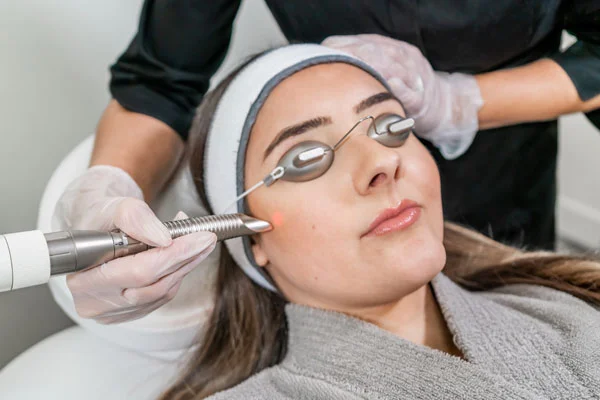
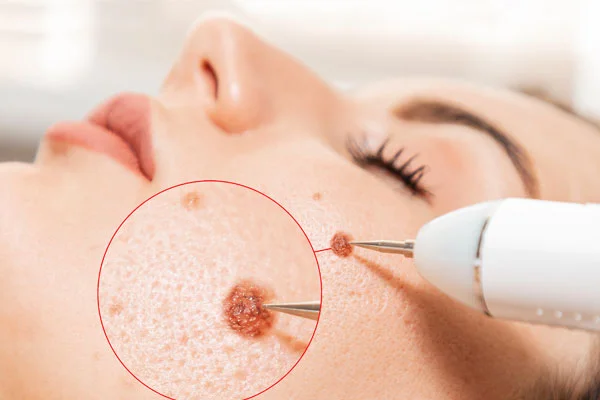
A typical scenario is a woman in her early 30s who played outdoor sport for many years and now notices an uneven tone across her cheeks. A practitioner can examine the area, identify anything that a doctor should review and suggest suitable options, such as skin needling, peels or light-based treatments aimed at the appearance of uneven tone. Results vary between individuals, so a good practitioner will explain what is realistic for your skin.
Skin Care in Your 40s: Support Hydration and Firmness
Hormonal changes often begin in the 40s, including during perimenopause. Skin may feel drier and thinner, and it can lose some firmness. Volume loss in the cheeks and jaw area may become noticeable, and expression lines can remain visible when the face is at rest.
A moisturiser containing ceramides and hyaluronic acid helps support the skin barrier. Gentle formulations are also worth choosing, because dry skin tends to react to harsh ingredients.
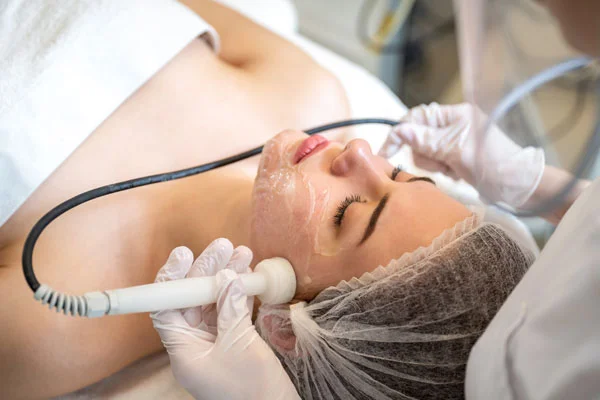
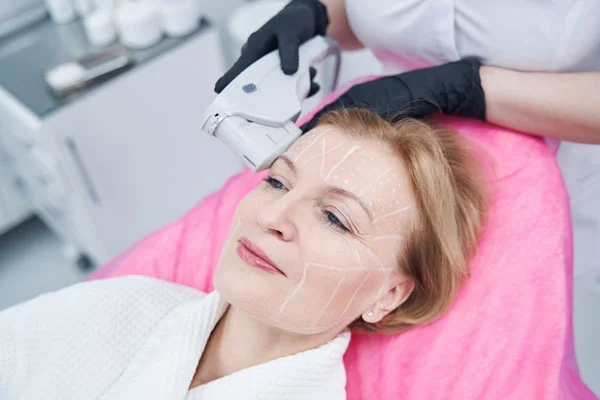
Clinic treatments at this stage usually focus on skin quality and texture. Radiofrequency and laser-based treatments are commonly used with the aim of improving the appearance of firmness, while hydrating facials can improve how the skin feels. Your practitioner may recommend a series of sessions spaced over several weeks.
Also Read – Achieve Younger Looking Skin With Anti-Wrinkle Treatments
Skin Care in Your 50s and Beyond: Focus on Repair and Monitoring
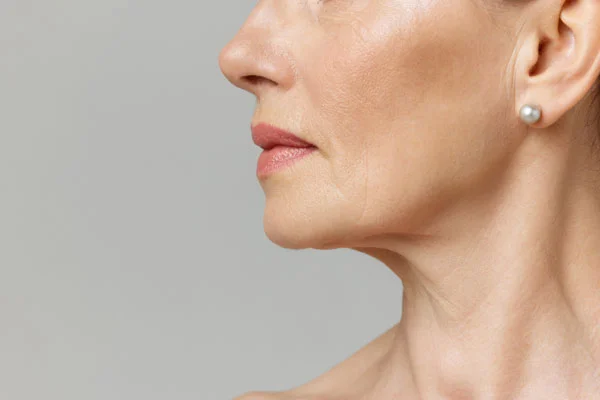
After menopause, oestrogen levels fall and collagen loss tends to accelerate. Skin becomes thinner and drier, heals more slowly and may show more age spots and visible capillaries.
Home care should be simple and gentle. Choose a mild cleanser and a rich moisturiser, and avoid strong exfoliants that can irritate mature skin. If you are unsure which products suit you, ask a practitioner to review your routine.
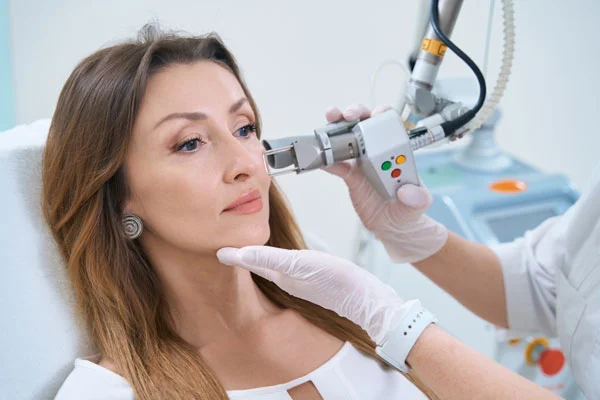
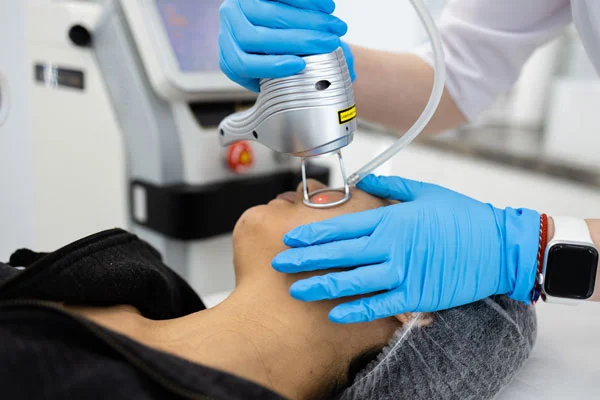
Professional treatments at this stage generally aim to improve hydration, tone and texture. Options may include fractional laser, radiofrequency and gentle peels, selected to match your goals and your skin’s capacity to recover.
Skin checks also become more important with age. According to healthdirect, the risk of skin cancer rises as you get older, so examine your skin regularly and see a doctor about any new or changing spot. A cosmetic clinic visit does not replace a skin cancer check with a doctor.
Habits That Support Skin at Every Age
Some habits benefit skin in every decade. Sun protection remains the most important, so maintain the sunscreen routine you began in your 20s. Removing makeup before bed also helps, so that residue does not sit on the skin overnight.
Lifestyle choices matter as well. Smoking is linked to faster skin ageing, so avoiding it protects both your skin and your general health. Adequate sleep, a balanced diet and enough water support overall wellbeing.
Also Read – Best Treatment For Deep Wrinkles: Your Guide to Non-Surgical Rejuvenation
Why a Medical Clinic Approach Matters
Two people of the same age can have very different skin needs. Sun history, skin tone, medical history, current medications and lifestyle all influence which treatments are safe and suitable.
A clinic led by qualified health professionals can assess these factors thoroughly. Practitioners can identify conditions that need a doctor’s attention, explain the risks of each option and adjust your plan as your skin changes. It is reasonable to ask any clinic about the qualifications of the person treating you.
Honest advice is central to this approach. A practitioner should be willing to tell you when a treatment is not yet necessary, or when your concern is better managed by your GP.
What to Expect at a Skin Consultation
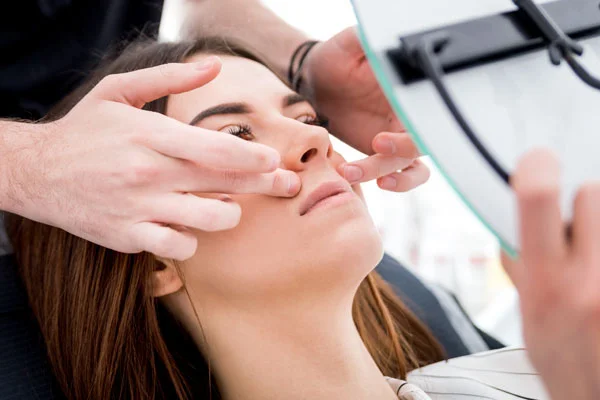
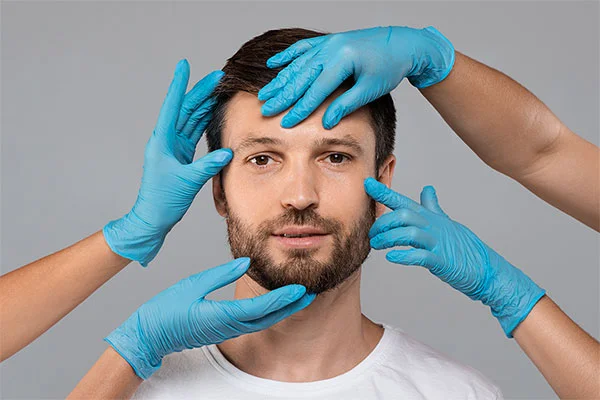
A first consultation usually begins with questions about your skin concerns, medical history, current products and goals. The practitioner then examines your skin, and some clinics also use skin analysis imaging.
You should receive a clear explanation of your options, including expected results, possible side effects, recovery time and cost. There should be no pressure to book treatment on the day.
A sensible plan usually begins with home care and adds clinic treatments only where they are likely to help. Follow-up visits allow your practitioner to review progress and adjust the plan if needed.
Book a Skin Consultation
Skin care works best when it adapts as you do. Whether you wish to protect your skin in your 20s or support it through menopause, the right plan begins with a proper assessment. Book a consultation with Kiora, and our team will review your skin and discuss options that suit your goals and budget.