
























 03 8554 4343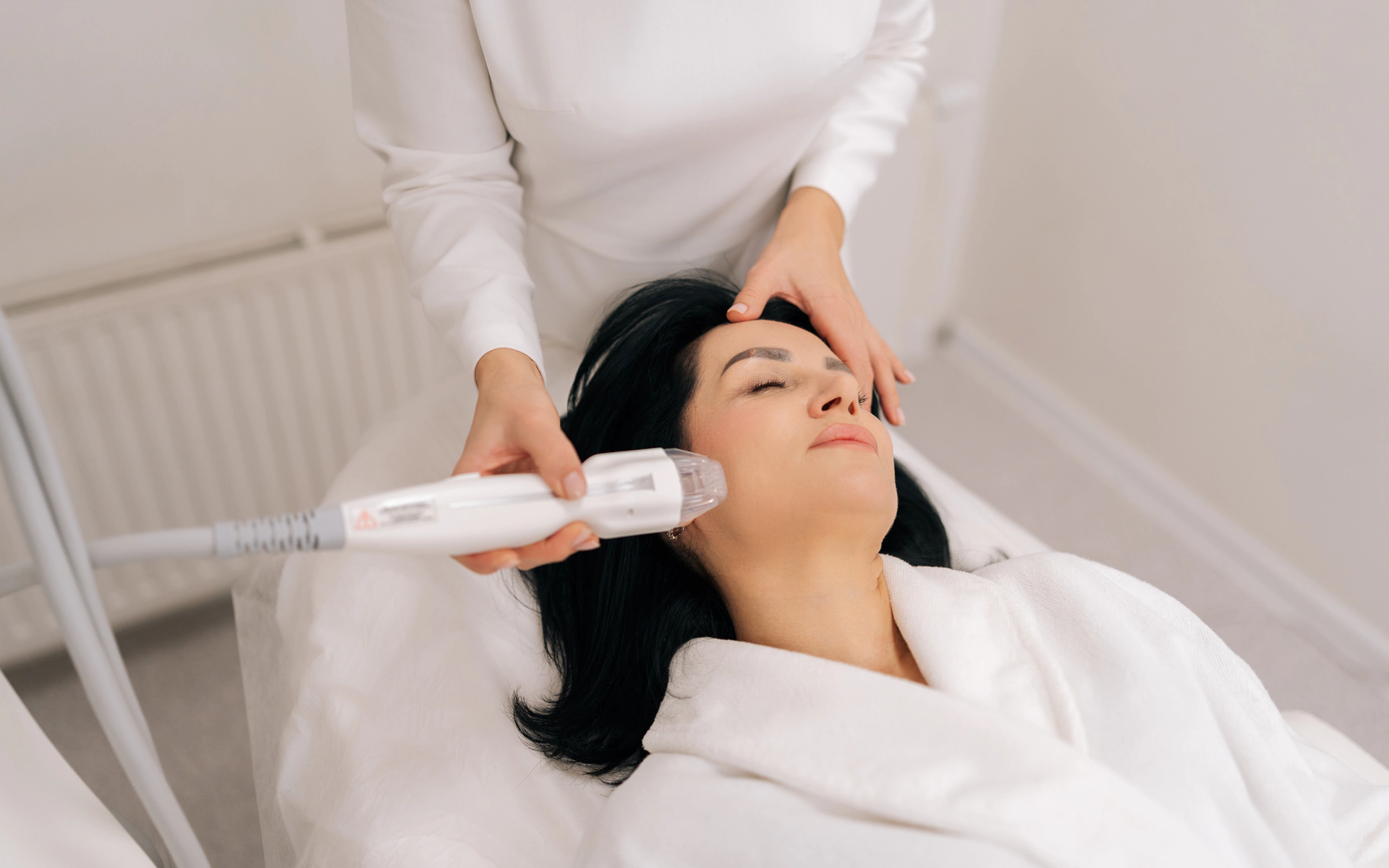
Healthy skin does more than improve appearance. It acts as a protective barrier against environmental damage, bacteria, and harmful substances. Over time, factors such as ageing, sun exposure, pollution, stress, and lifestyle habits can affect skin health. Many people turn to skin therapy to address these concerns and maintain healthy skin.
Modern skin therapy combines scientific knowledge, advanced technology, and personalised treatment plans to improve skin function and appearance. Understanding the science behind these treatments can help people make informed decisions about their skincare journey.
Understanding How Skin Works
To understand why skin therapy works, it helps to know how the skin functions. The skin consists of three main layers.The epidermis forms the outer layer and protects the body from external damage. The dermis sits beneath it and contains collagen, elastin, blood vessels, and connective tissue. The hypodermis forms the deepest layer and provides insulation and cushioning.
When skin remains healthy, these layers work together to maintain hydration, elasticity, and protection. However, ageing and environmental factors can slow down natural repair processes. Collagen production decreases, skin cell turnover slows, and the skin may lose firmness and brightness.
Skin therapy focuses on supporting these natural processes and encouraging the skin to function more effectively.
Also Read – Spa Treatments You Can (And Can’t) Enjoy While Pregnant
The Role of Skin Cell Renewal
One of the key reasons skin therapy produces visible results is its effect on skin cell renewal.
The skin naturally sheds old cells and replaces them with new ones. Younger skin completes this cycle in approximately 28 days. As people age, the process often takes longer. Dead skin cells can build up on the surface, causing dullness, rough texture, and uneven tone.
Many skin treatments help speed up this renewal process. By removing damaged surface cells and encouraging fresh cell growth, treatments can improve skin texture, clarity, and radiance.
This process explains why many people notice smoother and brighter skin after professional treatments.
How Collagen Stimulation Improves Skin
Collagen plays a major role in skin health. It is the protein responsible for maintaining skin structure, firmness, and elasticity.
From the mid-twenties onwards, the body gradually produces less collagen each year. This decline contributes to fine lines, wrinkles, and skin laxity.
Many advanced skin therapies focus on stimulating collagen production. Treatments such as skin needling, laser therapy, and radiofrequency treatments create controlled stimulation within the skin. The body responds by activating its natural healing process and producing new collagen.
Over time, increased collagen levels can improve skin firmness, reduce the appearance of wrinkles, and create a smoother complexion.
Also Read – Guide to Chin Fat Removal: What You Should Know
The Importance of Controlled Skin Responses
Some people assume that skin treatments simply remove imperfections. In reality, many therapies work by triggering controlled biological responses.
When qualified practitioners perform treatments correctly, they create targeted stimulation without causing unnecessary damage. The skin interprets this stimulation as a signal to repair and regenerate itself.
This response activates several important processes, including collagen production, tissue repair, improved circulation, and cell regeneration.
The controlled nature of these treatments allows practitioners to achieve results while protecting the overall health of the skin.
Why Professional Ingredients Matter
Professional skin therapies often include scientifically developed ingredients that target specific skin concerns.
Ingredients such as vitamin C, retinol, peptides, hyaluronic acid, and niacinamide have strong scientific support. These ingredients work in different ways to improve skin health, such as:
- Vitamin C: Helps protect the skin from environmental damage and supports collagen production.
- Retinol: Encourages cell turnover and helps improve skin texture.
- Hyaluronic Acid: Attracts moisture and helps maintain skin hydration.
- Peptides: Support skin repair and collagen formation.
Professional treatments often deliver these ingredients more effectively than standard over the counter products. This targeted approach can enhance treatment outcomes and support long term skin improvement.
Technology and Skin Therapy
Technology has transformed the way practitioners treat skin concerns.
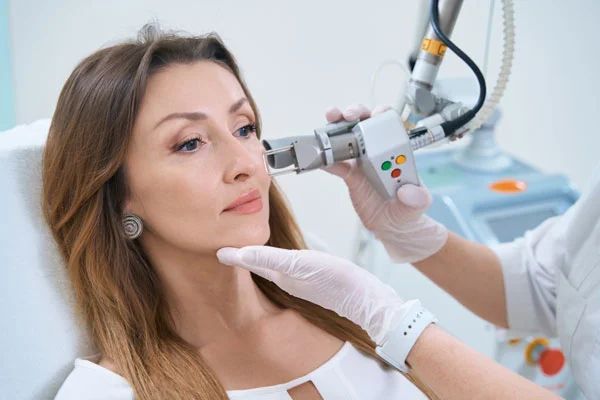
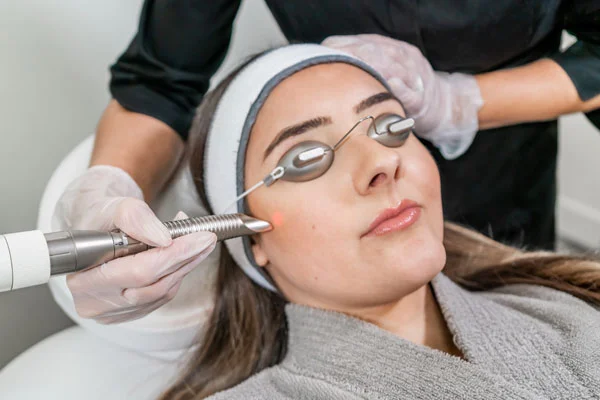
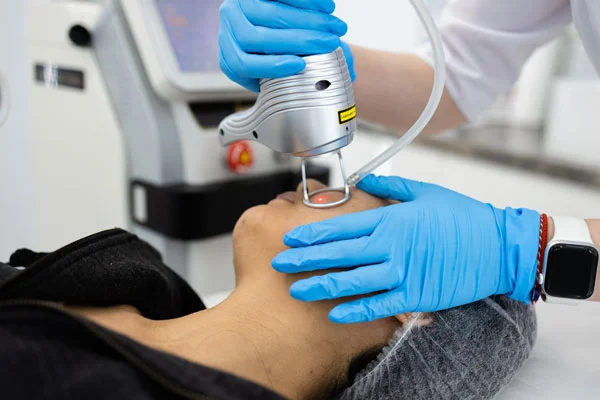
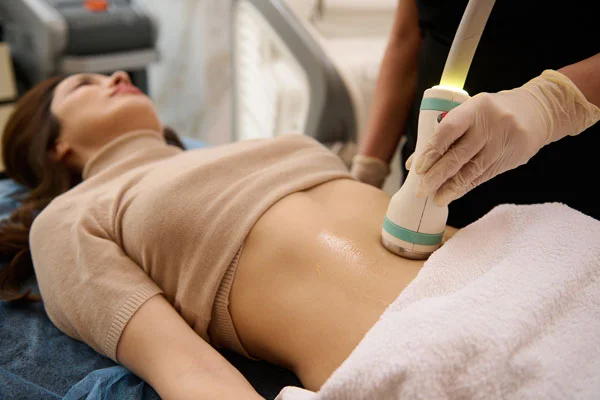
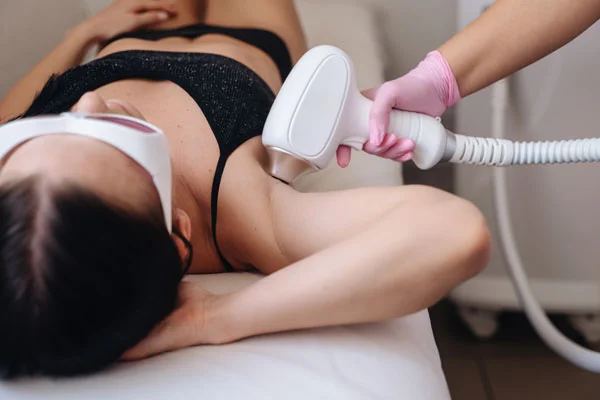
Modern clinics use advanced devices that target specific layers of the skin while minimising disruption to surrounding tissue. Laser treatments, light therapies, radiofrequency devices, and skin analysis systems allow practitioners to customise treatments according to individual needs.
For example, laser technology can target pigmentation, redness, and signs of ageing. Light based treatments can help manage acne and inflammation. Radiofrequency treatments can stimulate collagen and tighten skin.
These technologies allow practitioners to deliver precise treatments based on scientific principles rather than relying on a one size fits all approach.
Also Read – Skin Pigmentation in Melbourne: How to Choose the Right Treatment
Personalisation Improves Results
One reason professional skin therapy remains effective is its focus on personalised care.
Every person’s skin has unique characteristics. Factors such as age, skin type, genetics, lifestyle, and environmental exposure can influence treatment outcomes.
A professional assessment helps identify specific concerns and underlying causes. Practitioners can then create treatment plans that address individual needs rather than applying the same solution to everyone.
This personalised approach often leads to better results because treatments align with the skin’s actual condition and goals.
Also Read – How to Get Clear Skin: Fast, Naturally, and At Home
Consistency Supports Long Term Improvement
While many treatments provide noticeable improvements, lasting results usually require consistency.
Skin constantly changes due to ageing, hormonal fluctuations, environmental exposure, and daily habits. Regular treatments help maintain progress and support the skin’s ongoing renewal processes.
Professional therapy works best when combined with an effective home skincare routine. Daily sun protection, hydration, cleansing, and targeted skincare products can help preserve treatment results and protect skin health.
Consistency allows the skin to benefit from cumulative improvements over time.
The Connection Between Science and Healthy Skin
The science behind skin therapy goes beyond improving appearance. Effective treatments support the skin’s natural processes, boost collagen production, improve hydration, encourage cell renewal, and reduce inflammation.
At Kiora, we believe healthy skin starts with personalised care. We focus on treatments that support long term skin health while helping our clients feel more confident in their skin.