

















 03 8554 4343
The body constantly works to maintain balance, and even small internal changes often show up in the form of ailments. Skin follows the same pattern. Melanin protects us from ultraviolet exposure, yet when it collects unevenly or in excess, darker patches begin to form.
This article explains these spots (skin pigmentation) and outlines the treatment options available in Melbourne.
What is Skin Pigmentation?
Melanin is a natural pigment produced by melanocytes. It determines the skin colour. Melanin performs varied functions, from blocking UV rays to eliminating free radicals and maintaining eye health. When these cells become overactive, they can create an uneven distribution of colour referred to as hyperpigmentation.
There are multiple reasons for this excessive production. These include:
- Pronounced sun exposure without adequate protection
- Natural hormonal fluctuations
- Acne or physical skin injuries
- Genetic predispositions that dictate how cells distribute colour
- The natural progression of skin ageing in sun-exposed areas
Also Read – Facial Slimming Myths vs Reality: What Actually Reduces Face Fat?
Types of Pigmentation
Categorically, there are three types as per the level of pigmentation, including:
- Epidermal (superficial): Refers to discolouration that sits close to the outer skin layer and often develops after repeated sun exposure.
- Dermal (deep): Forms within the deeper layers of the skin and usually appears bluish or grey due to its depth.
- Mixed Dermal and Epidermal: Extends across both surface and deeper layers of the skin.
Apart from levels, these are also categorised depending on their causes. These are:
Solar Lentigines
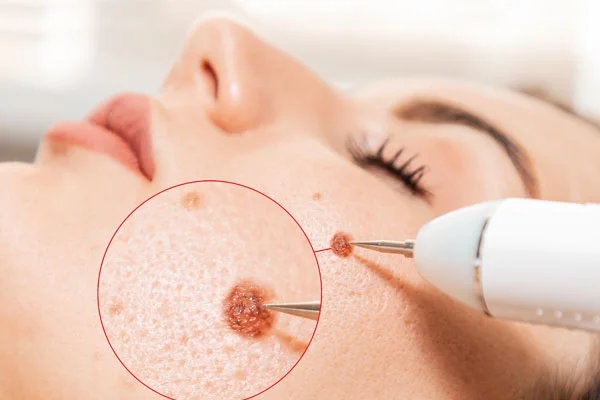
Often referred to as sunspots or age spots, these develop primarily in areas with high sun exposure, such as the face, hands, and décolletage. They appear as flat, well-defined circles of pigment. Unlike freckles, these spots do not usually fade during winter months and may become more numerous as the skin’s natural repair processes slow down.
Also Read – How to Get Clear Skin: Fast, Naturally, and At Home
Melasma
Hormonal influences typically drive this condition, which creates symmetrical patches of darkened skin, frequently on the forehead, cheeks, and upper lip. Because the pigment often sits deeper in the skin layers, it requires a gentle, consistent management plan to avoid further darkening.
Post-Inflammatory Hyperpigmentation (PIH)
Skin often darkens in specific areas after healing from a breakout, burn, or scratch. This type of discolouration follows the shape of the original injury. It is common on the chin and jawline following adult acne, where the skin may remain discoloured long after the blemish itself has cleared.
Also Read – Acne Scar Removal: Treatment Based on Scar Type
Treatment Available For Pigmentation
Pigmentation can often be improved and, in many cases, effectively managed with professional care. The approach depends on the depth of pigment, skin type, and lifestyle factors. A personalised plan usually combines in-clinic procedures with supportive home care.
Chemical Peel
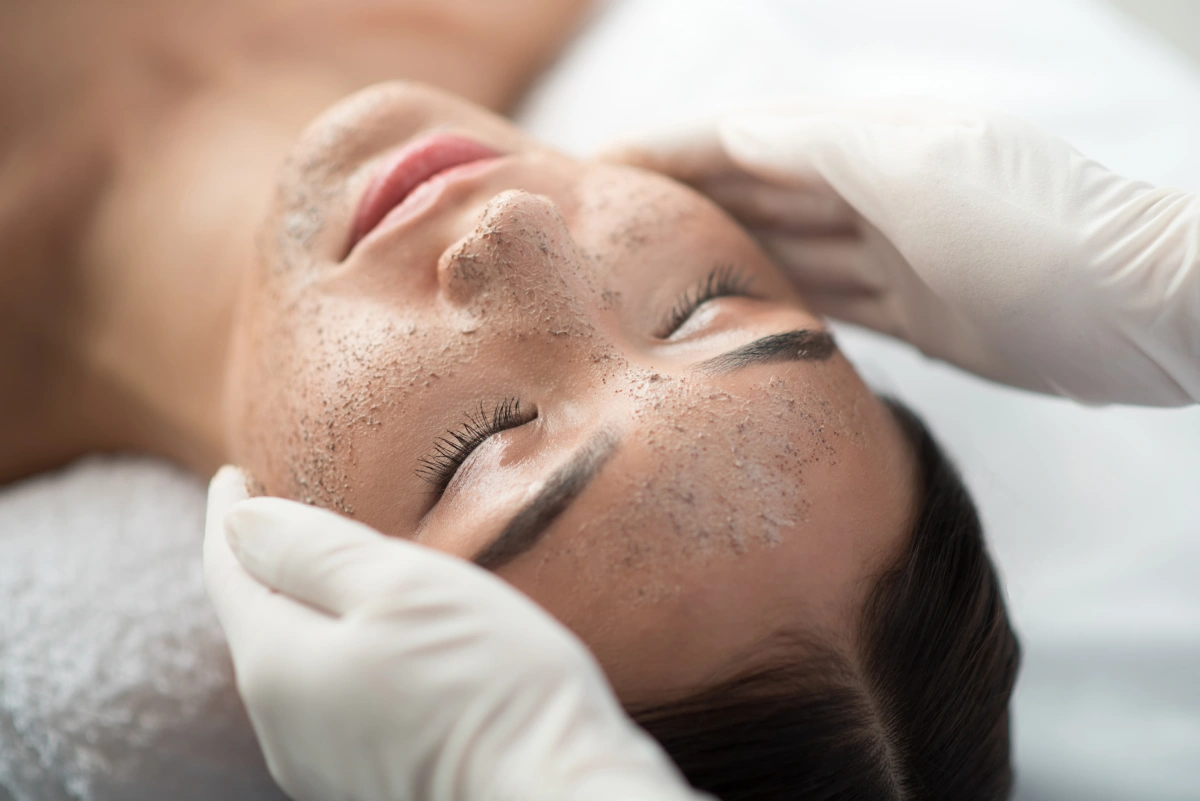
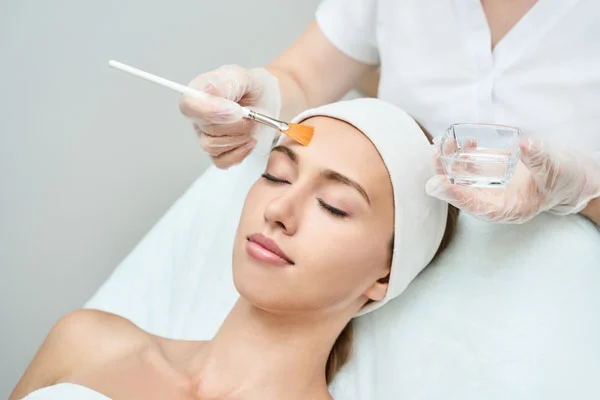
In this procedure a doctor-led team uses recognised medications to remove the outer layer of damaged skin. As new cells rise to the surface, superficial discolouration gradually fades. This treatment suits mild sun damage and post-inflammatory marks. The intensity varies, allowing practitioners to adjust strength according to individual tolerance.
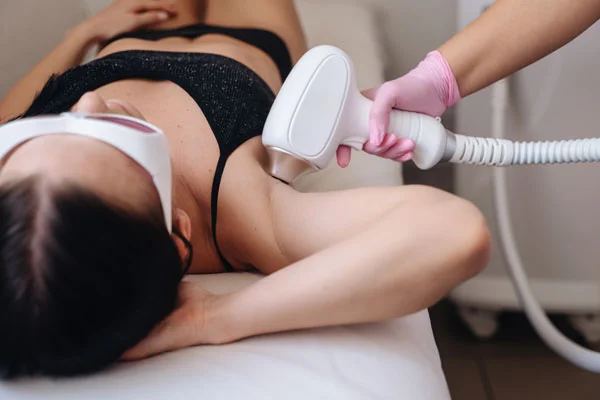
IPL
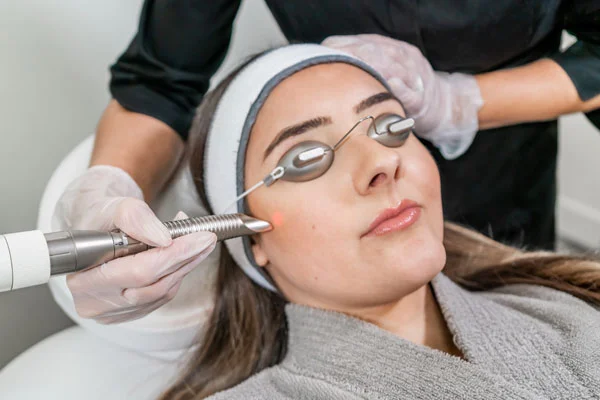
Intense pulsed light, commonly called IPL, emits controlled bursts of light across the skin. The light absorbs into pigmented areas and reduces visible discolouration. Many clients choose this option for widespread sun damage or general uneven tone.
Also Read – What Makes a Good Dermal Therapist?
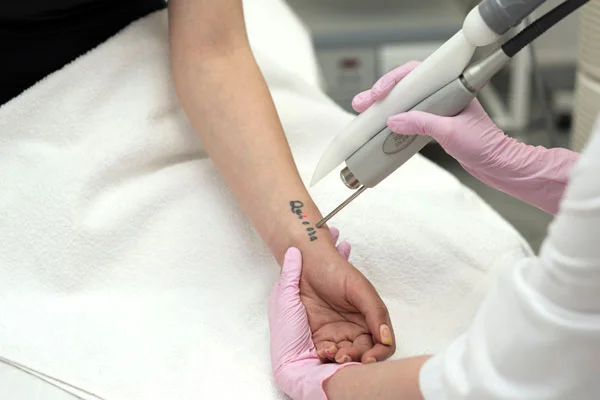
Q-Switch Laser
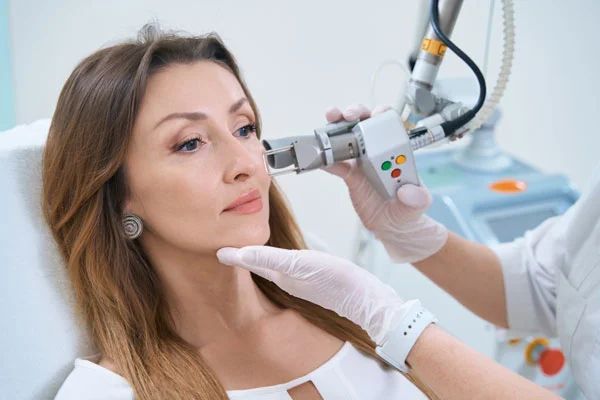
Q-Switch laser treatment delivers rapid pulses that focus directly on darker pigment clusters. It is frequently used to soften freckles and stubborn spots. In this procedure, the surrounding skin remains largely unaffected, allowing for a targeted approach.
Erbium Laser Resurfacing
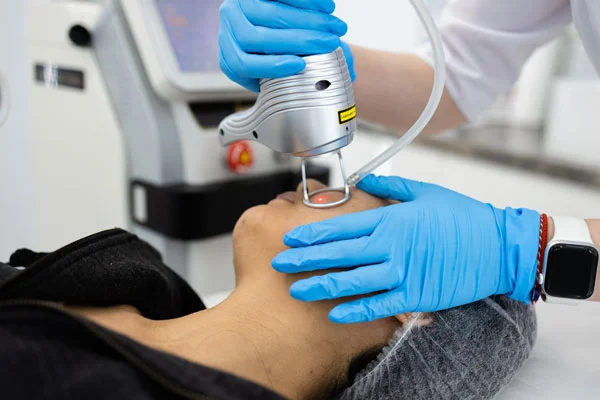
Erbium laser resurfacing gently removes damaged surface layers. As fresh skin forms, texture improves and certain pigment irregularities soften. This treatment also refines overall clarity, which benefits clients seeking combined tone and texture improvement.
Skin Rejuvenation
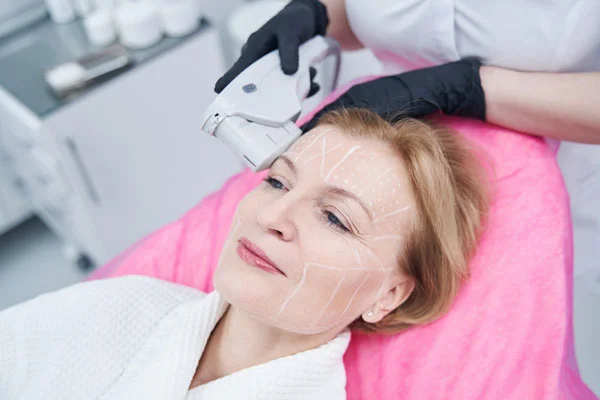
Laser-based skin rejuvenation therapies stimulate renewal beneath the surface. Increased collagen production supports healthier skin structure, which can enhance overall brightness and reduce mild discolouration.
Advanced Facials
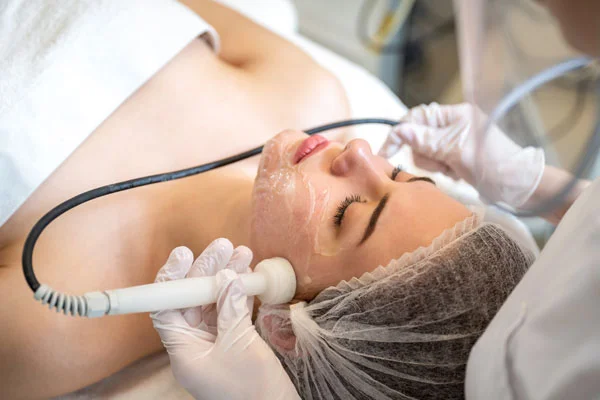
Professional facials and medical-grade facials support pigmentation management through exfoliation and nourishment. These treatments maintain results achieved through advanced procedures and encourage steady cell turnover.
Also Read – How to Choose the Right Skin Care Clinic in Melbourne?
How to Determine Which Treatment to Choose
Choosing the right treatment involves more than selecting a device. Skin type, pigment depth, and your daily routine all influence the approach. A personalised consultation ensures the plan aligns with both your skin’s needs and your lifestyle.
This decision usually considers:
- Your natural complexion and how it responds to light-based therapy
- Whether the pigment sits on the surface or within deeper layers
- The amount of recovery time you can comfortably allow
- Your medical background and current skincare routine
Things to Remember When Facing Skin Pigmentation
Achieving a clear complexion involves more than clinical appointments. There is a need for a constant care routine that includes:
- Daily application of high-SPF broad-spectrum sunscreen.
- Incorporating medical-grade topical creams with consultation with specialists.
- Avoiding excessive heat.
Concluding Words
Any surgical or invasive procedure carries risks. Before proceeding, you should seek a second opinion from a qualified health practitioner. Individual results may vary, and a formal consultation is required to determine if a treatment is right for you.
At Kiora, we focus on providing you with ample information regarding the specific conditions and procedures. It allows you to make informed decisions. Our team consists of highly-qualified medical professionals working with top-grade equipment and certified supplies to deliver optimal care. Reach us to know more.