



















 03 8554 4343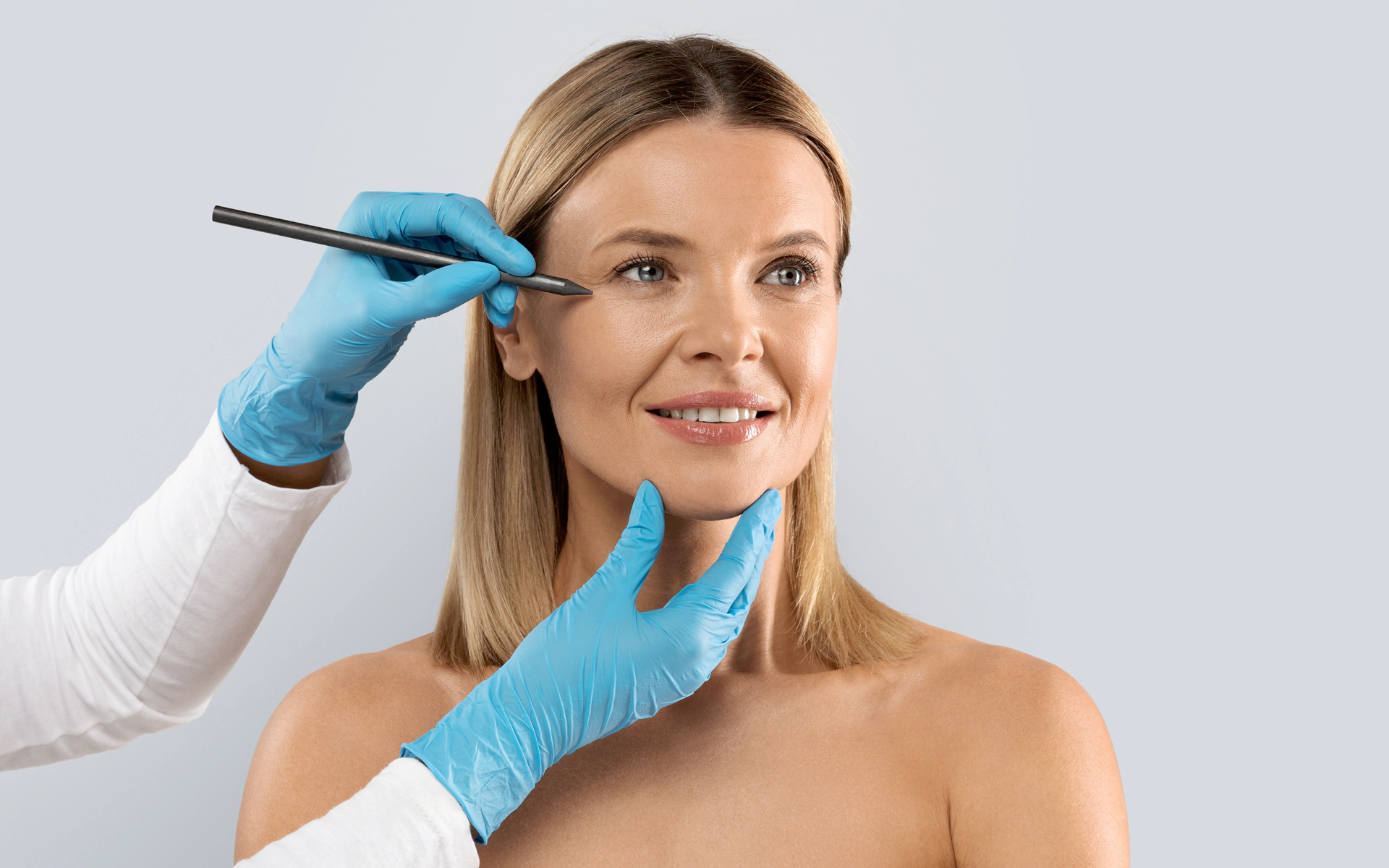
Ageing is a natural part of life. Over time, your skin and facial features may change in subtle ways, and how you feel about those changes can vary. Some people choose to embrace them fully. Others prefer to explore options that support their skin in a way that feels considered and gradual.
Across Victoria, non-surgical facelift approaches have become one such option. They focus on small, tailored adjustments rather than significant change.
If you are simply looking to understand what these treatments involve, this guide will walk you through the key aspects, so you can make an informed decision, if and when the time feels right.
Understanding the Idea Behind a Non-Surgical Facelift
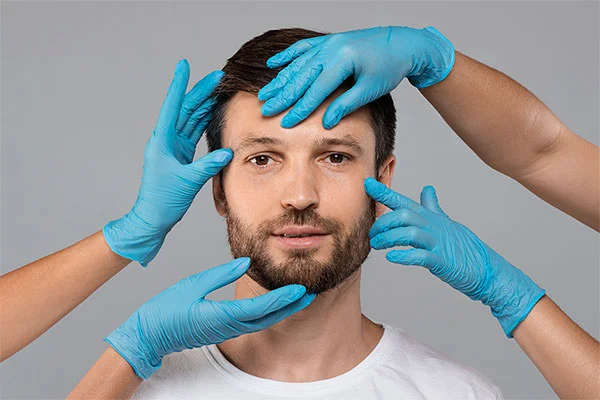
A non-surgical facelift is not a single treatment you walk in and out with. It is usually a plan. One that looks at your face as a whole rather than focusing on one line or one area. The changes it aims to address tend to sit across different layers considering the skin texture, volume and muscle movement.
Because of that, treatment is often provided in numerous sittings. With each, minor adjustments are made and these are reviewed over time.
The intention is not to create a different version of you. If anything, it is about easing certain features so they appear less pronounced.
Also Read – Skin Pigmentation in Melbourne: How to Choose the Right Treatment
Why Does This Approach Appeal?
Life does not always allow for long recovery periods. Work schedules, family commitments, social routines all play a part. That is one reason non-surgical treatments are often explored. They can usually be spaced out and planned around daily life.
There is also a shift in preference. Many people are not looking for obvious change. They are looking for something that settles in gradually. You may relate to this if you have started to notice early changes but are not ready to consider surgery. Or if you simply prefer to take things step by step.
Also Read – Facial Slimming Myths vs Reality: What Actually Reduces Face Fat?
What Treatment Plans May Include?
No two plans look exactly the same. That said, there are a few approaches that are commonly considered.
Softening Expression Lines
Some treatments focus on the way certain facial muscles move. Over time, repeated movement can leave visible lines. By reducing that movement in targeted areas, the skin may appear smoother and not frozen. Just less defined in those spots.
The effect, where it occurs, tends to develop gradually over several days.
Also Read – How to Get Clear Skin: Fast, Naturally, and At Home
Supporting Areas of Volume Loss
Volume changes are often subtle at first. It can look like a slight hollowing through the mid-face or loss of definition along the cheeks. Some treatments are used to support these areas. When approached conservatively, they can help restore balance without drawing attention to the treatment itself.
This is usually where restraint matters most.
Thread-Based Techniques
Threads are sometimes used where a mild lifting effect is desired. They are placed beneath the skin and dissolve over time. In some cases, they may also support collagen activity as the body responds to them.
The outcome is typically modest as it is not designed to replicate surgical lifting, and expectations should reflect that.
Also Read – Acne Scar Removal: Treatment Based on Scar Type
Devices That Target Skin Firmness
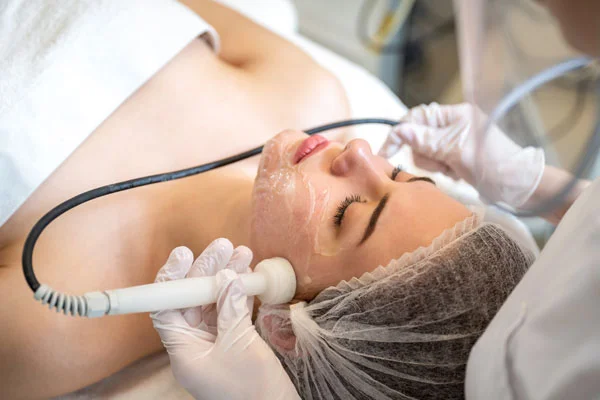
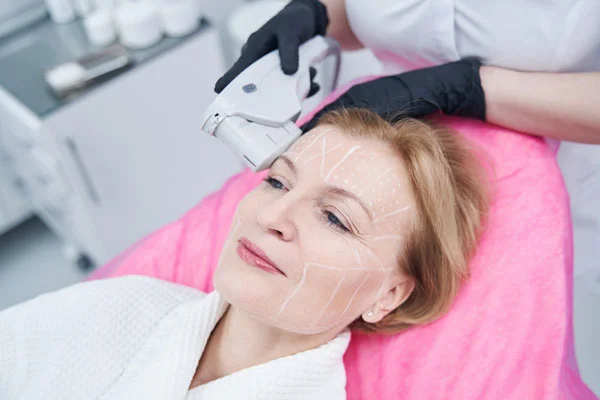
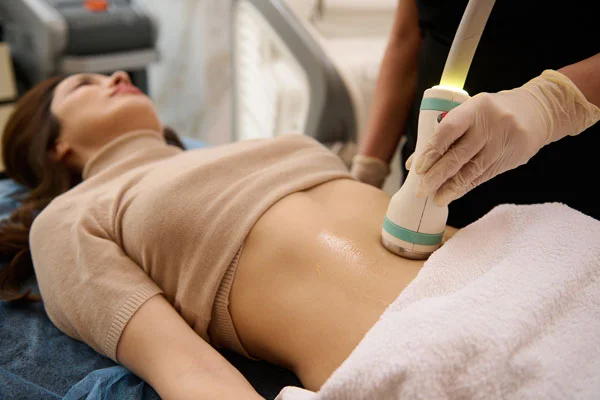
You may have come across treatments that use ultrasound or radiofrequency. These work below the surface of the skin. The goal is to support firmness over time rather than create an immediate visible shift.
If changes occur, they tend to appear gradually. For some, that slower progression feels more natural.
Improving Skin Texture and Tone
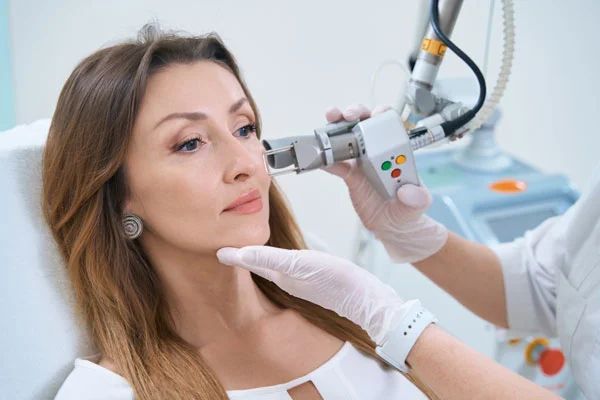
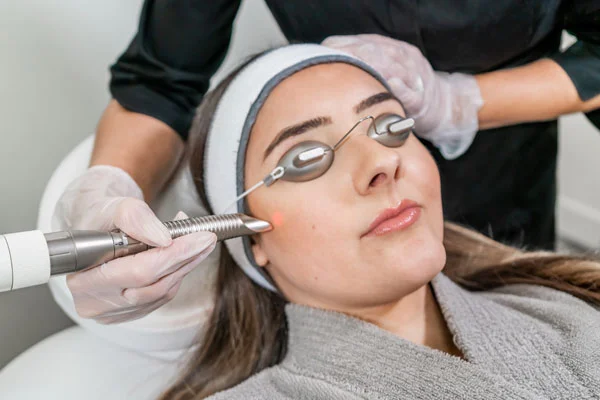
Uneven tone or rough texture can make the face appear more tired than it is. Resurfacing treatments may be included to address this. They are often used alongside other approaches rather than on their own.
What You Might Notice Over Time
Non-surgical treatments are not designed to create dramatic change. They are more about softening and refinement. You will notice:
- Lines appearing less pronounced
- A subtle return of facial balance
- Skin looking a little more even or settled
Others may notice very little, especially after a single session. Results are not uniform. They depend on the treatment, the individual, and how the body responds.
How Long Changes May Last
Some treatments wear off within a few months while others may last longer. Along with the type and combination of treatment, it’s pivotal that one follows the aftercare instructions strictly.
Your practitioner should give you a realistic sense of timing based on what is being considered.
It is not a one-time fix rather a more gradual, ongoing approach.
Also Read – What Makes a Good Dermal Therapist?
Safety and What to Keep in Mind
Even when treatments are non-surgical, they are still medical procedures. So, one can expect occurrence of short-term effects such as redness, swelling, or bruising. These are usually temporary, though experiences differ.
There are also less common risks. These should be explained clearly before any treatment goes ahead.
Final Thoughts
A non-surgical facelift is not about reversing time. It is about approaching change in a way that feels manageable.
For many people in Victoria, that means small, thoughtful steps rather than a single decision.
If you are considering it, take your time. Let the process be gradual and make sure it aligns with what you actually want and not what you feel expected to want. That clarity tends to lead to better decisions.
If you want to know more, book a consultation with Kiora. We’ve over 20 years of experience with non-invasive aesthetic medicine. We will surely be able to confidently guide you through your skin care journey.
Disclaimer:
This information is general in nature and does not replace advice from a qualified health practitioner. Suitability for any cosmetic treatment should be assessed through a personalised consultation.