





































 03 8554 4343
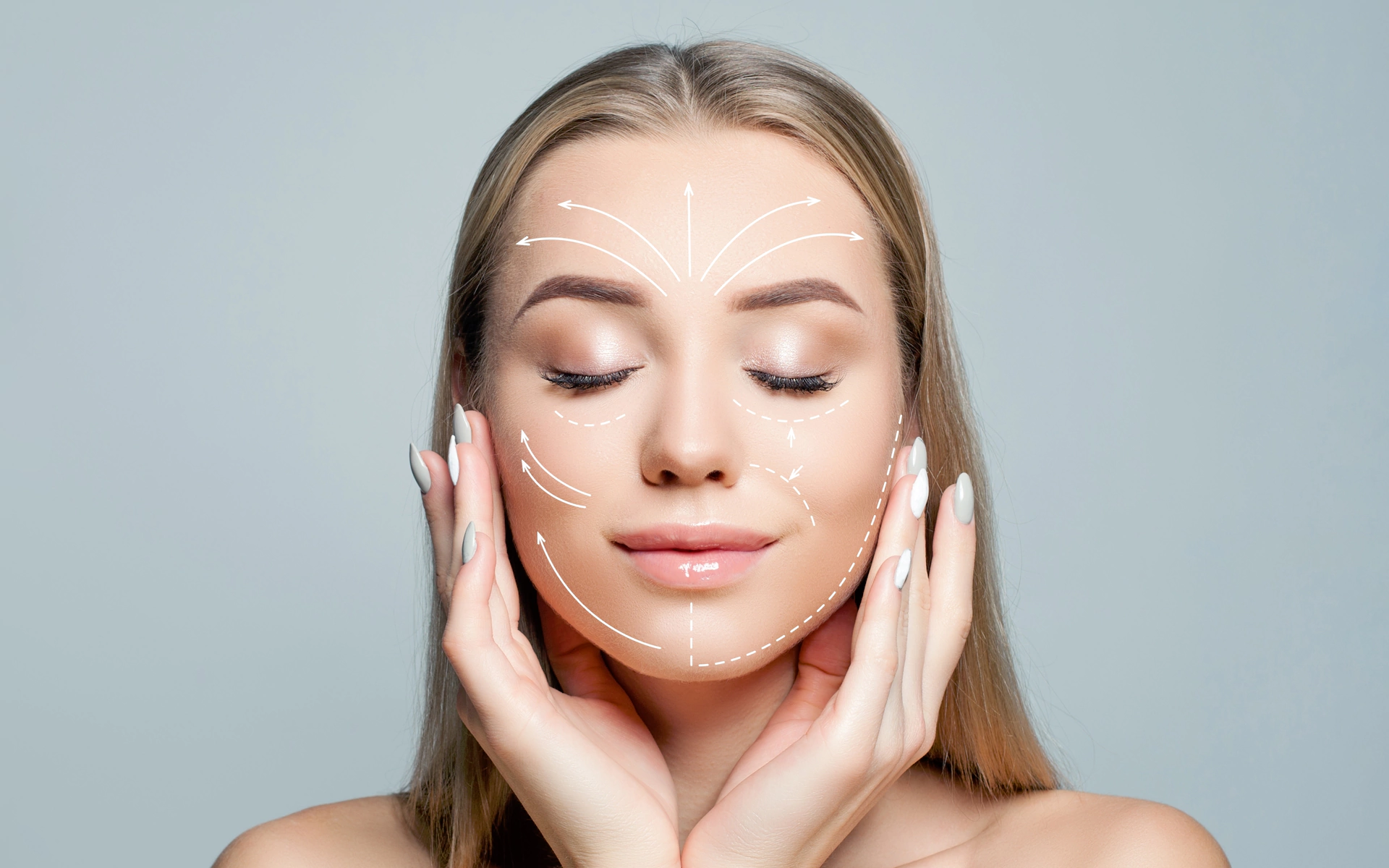
Many men want to maintain healthy-looking skin while keeping their natural facial features. Fine lines around the eyes, forehead and between the eyebrows are common signs of ageing. Genetics, sun exposure, facial movements and changes in skin elasticity can all influence when these lines appear and how noticeable they become.
Understanding the factors that contribute to facial lines can help you make informed decisions about your skincare routine and overall skin health. Different approaches may suit different concerns, and not every change in the skin requires treatment.
This article explores why facial lines develop, how general skincare practices can support skin health and what to consider when seeking professional advice about cosmetic concerns.
Why Do Facial Lines Show Up?
Facial lines pop up as a result of a combination of natural aging and the stuff that life throws at us. As we get on in years, the skin slowly loses some of that spring in its step – elasticity and firmness just can’t keep up with time. Repeating the same expressions over and over can also start to show lines more clearly as we get older.
There are a bunch of things that can affect how noticeable those lines are.
- Natural Ageing: It’s pretty much inevitable – as we get older our collagen and elastin start to break down a bit, and that can leave our skin feeling a bit looser than we’d like.
- Getting too much sun: Spending too much time in the sun’s glare can age your skin a lot quicker than it’s got to. It can lead to all sorts of problems with wrinkles, uneven skin tone and texture.
- Frown, you are doing it wrong: All those repeated movements like squinting, raising an eyebrow and frowning can start to make lines more prominent.
- You got it from your parents:We all know that family can play a big part in how our skin turns out, so it’s no surprise that facial lines are no exception – our genes can influence how our skin holds up over time.
- Lifestyle choices: Whether you smoke, don’t get enough sleep, or just live a pretty stressful life, it can all take a toll on your skin.
Of course, how much of a toll all these things take varies from person to person. Just because you’ve got facial lines doesn’t mean your skin is in bad shape – and at the end of the day, people just look different.
Also Read – Skin Rejuvenation for Men: Potential Treatment Options
Common Areas Where Facial Lines Appear
Facial lines can develop in different areas depending on facial movements, skin characteristics and individual ageing patterns.
1. Forehead Lines
Forehead lines are horizontal creases that may become noticeable when raising the eyebrows. Their appearance can change over time as the skin’s elasticity decreases.
2. Lines Between the Eyebrows
Vertical lines between the eyebrows may become more visible when frowning or concentrating. Repeated facial movements and natural ageing can contribute to their development.
3. Lines Around the Eyes
Fine lines around the outer corners of the eyes may appear during smiling or squinting. Sun exposure and gradual changes in skin elasticity can also influence their appearance.
Understanding where lines develop and what contributes to them can help you choose suitable skincare practices and discuss any concerns with a qualified health professional.
How Can You Support Skin Health?
A consistent skincare routine can help maintain the skin’s condition and protect it from environmental damage. Although skincare cannot prevent all signs of ageing, certain practices can support overall skin health.
1. Use Sun Protection
Regular sun protection is an important part of caring for your skin. Use a broad-spectrum sunscreen with SPF 50 or SPF 50+ in accordance with its directions. Reapply as directed, particularly after swimming, sweating or spending extended periods outdoors.
Protective clothing, sunglasses, shade and limiting exposure during periods of high UV radiation can also help reduce sun damage.
2. Keep Your Skin Moisturised
A suitable moisturiser can help maintain the skin’s moisture barrier and reduce dryness. Choose products based on your skin type and concerns.
If your skin is sensitive or prone to irritation, introduce new products gradually and discontinue products that cause persistent discomfort.
3. Follow a Consistent Routine
A basic routine may include a gentle cleanser, moisturiser and sunscreen. Additional products can be considered based on your skin’s needs, but using more products does not necessarily produce better results.
If you have persistent irritation, unusual skin changes or concerns about a particular product, seek advice from an appropriate health professional.
4. Maintain Healthy Lifestyle Habits
Adequate sleep, a balanced diet, regular physical activity and avoiding smoking can support general health, including skin health. These habits cannot stop natural ageing, but they form part of an overall approach to wellbeing.
Also Read – Clinical Guide to Skin Tightening Treatments in Melbourne
Before You Dive into Cosmetic Procedures: What to Keep in Mind
If you’re starting to worry about those lines on your face, then you really need to get a handle on what’s out there in terms of options, and what the potential downsides are. Don’t rush into anything until you’ve got a good understanding of what’s involved.
Start off by pinning down what’s really bothering you. Are you after a smoother skin texture? Trying to tame dryness? Or wanting to get a better handle on what happens to your skin as you get older? Different worries call for different solutions, so don’t assume that just any old skincare regimen is going to do the trick.
When you do go see a pro, make sure you ask them some key questions:
- What’s behind the specific skin problems you’re experiencing?
- What are the pros and cons of the various treatments you’re considering? What does the science say about their effectiveness?
- What are the potential risks, side effects and downsides of each option?
- How much cash are we talking? And what kind of aftercare do you need to factor in?
- Are there other – and maybe less invasive – alternatives out there?
- What kind of expertise does this person have to tackle your specific worries?
Don’t rush into making a decision – take your time and ask follow-ups if you don’t get it. And if you’re still not feeling confident about the advice you’re getting, don’t be afraid to go back to the drawing board and get a second opinion.
Be careful not to let yourself get swayed by flashy ads, “deals”, and images that make it seem like some magic solution will suddenly transform your face. Remember, everyone’s different, and what works for one person might not work for another.
When Should You Seek Professional Advice?
Consider seeking advice from an appropriately qualified health professional if you are unsure about changes in your skin, experience persistent irritation or want guidance on suitable skincare options.
A professional can assess your concerns, review relevant medical information and explain which approaches may be appropriate. They should also discuss any relevant risks and limitations so you can make an informed decision.
In Australia, check the qualifications and registration of health practitioners where applicable. The type of professional you consult should reflect the nature of your concerns.
Remember that facial lines are a normal part of ageing. You do not need to pursue cosmetic procedures simply because lines have become more visible. Your decisions should reflect your personal preferences, wellbeing and informed understanding of the available options.
Also Read – Non-Surgical Facelift in Melbourne: Which Laser Suits Your Skin?
Conclusion
Facial lines develop through a combination of natural ageing, repeated facial movements, sun exposure and individual characteristics. A consistent skincare routine, appropriate sun protection and healthy lifestyle habits can support general skin health, although they cannot prevent every sign of ageing.
At Kiora, providing clear, responsible information about skin health can help people better understand their concerns and make informed decisions. Understanding your skin, considering the available information and seeking appropriate professional advice can help you choose an approach that reflects your individual needs.
Disclaimer: This article is provided for general informational and educational purposes only. It does not constitute medical advice, diagnosis or a recommendation for any specific treatment. Individual skin concerns and circumstances vary. Consult an appropriately qualified health professional for advice relevant to your situation. Do not use this article as a substitute for professional assessment or treatment advice.