

















 03 8554 4343
Search “skin tightening Melbourne” online and suddenly you’re drowning in buzzwords. HIFU, radiofrequency, fractional CO₂ laser, thread lift, so on and so forth. Every clinic claims their machine is the one, but here’s the reality:
Skin tightening isn’t really about finding the newest gadget. It’s about understanding why your skin has changed in the first place. Once that puzzle starts making sense, choosing the right treatment becomes a whole lot less confusing.
So, let’s unpack it all today and discuss two most popular skin tightening treatments in Melbourne.
But first things first—
Skin Doesn’t Suddenly Become Loose.
People often assume skin simply “gets older.” That’s true but only partly. Underneath the surface, your skin is constantly rebuilding itself. Two proteins do most of the heavy lifting: collagen and elastin.
Think of collagen as the steel beams inside a building. It provides structure, and keeps everything standing where it should. Elastin, on the other hand, is more like the elastic and its job is to stretch, recover, and repeat.
Unfortunately, those proteins don’t stay at peak production forever. As birthdays pile up, collagen production slows, while elastin fibres become weaker. The support system underneath your skin gradually loses strength, and gravity takes advantage of every opportunity.
That’s when you begin noticing things like:
- Softer cheeks
- Less jawline definition
- Fine lines becoming permanent residents
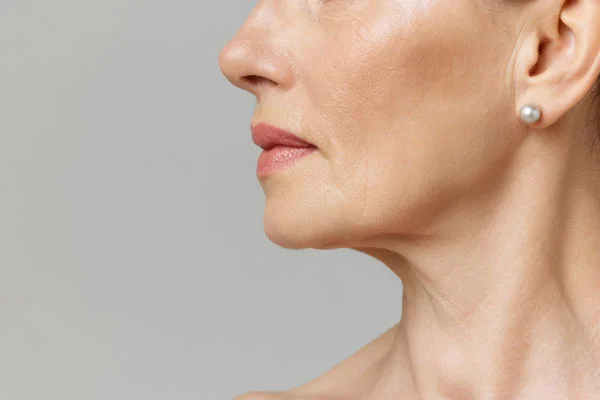
- Loose skin beneath the chin
- That slightly crinkled texture around the neck
No miracle cream can rebuild those deeper support structures. Nice moisturisers certainly have their place but they can’t restore exhausted collagen production.
Also Read – Facial Slimming Treatment Guide: How It Works, What To Expect & Who It’s For
So How Do Clinical Skin Tightening Treatments Actually Work?
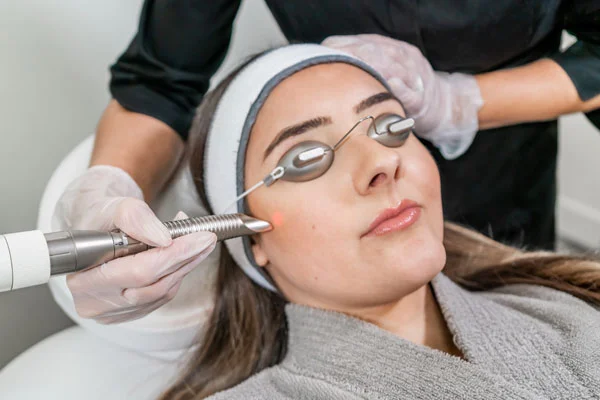
Contrary to popular belief, most modern treatments don’t “tighten” skin by physically pulling it tighter. Instead, they convince your body to repair itself. Tiny amounts of carefully controlled energy, or sometimes mechanical stimulation, create microscopic injury beneath the skin. It sounds alarming, but your body interprets those tiny treatment zones as signals that repairs are needed and fibroblasts wake up at that moment.
Fibroblasts are remarkable little cells that are basically your skin’s construction crew. Once activated, they begin producing fresh collagen, new elastin and other structural proteins that gradually strengthen the dermis from the inside out.
It’s slow, but that’s precisely why good results tend to look natural. Your own tissue is rebuilding itself rather than being artificially stretched or overfilled.
Patience pays off here.
Meet the Fibroblasts—Your Skin’s Guardians
Most people have never heard the word fibroblast. Yet these microscopic cells deserve far more attention than they get.
Every day they’re quietly maintaining your skin’s support network, producing collagen and repairing damage. It also keeps the extracellular matrix, the complicated scaffold that holds everything together, in decent condition.
But age, sunlight, and inflammation can slow them down. So, clinical treatments are essentially designed to get these sleepy workers back to work. Different technologies do this differently, of course. Some use heat, while others rely on ultrasound. A few also stimulate repair through tiny mechanical pathways.
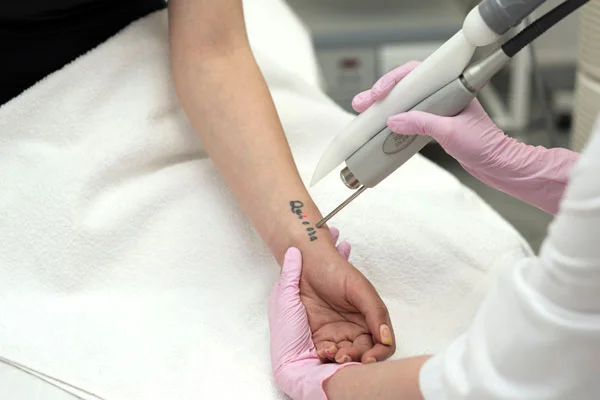
Also Read – Tattoo Removal Guide: How to Choose a Tattoo Removal Service?
HIFU: Going Deep Without Surgery
Among non-surgical lifting treatments, High-Intensity Focused Ultrasound (HIFU) occupies a rather unique position.
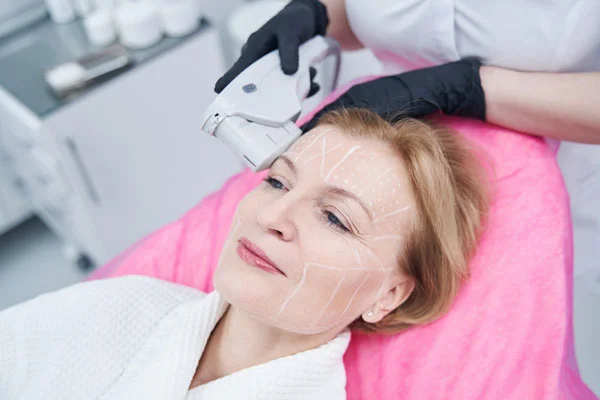
Why, because it reaches remarkably deeper than most other procedured. Instead of stopping at the skin’s upper layers, HIFU targets the Superficial Musculoaponeurotic System, commonly called the SMAS. Plastic surgeons actually work on this very same layer during facelift procedures. So, it’s rather impressive for a treatment that doesn’t involve scalpels.
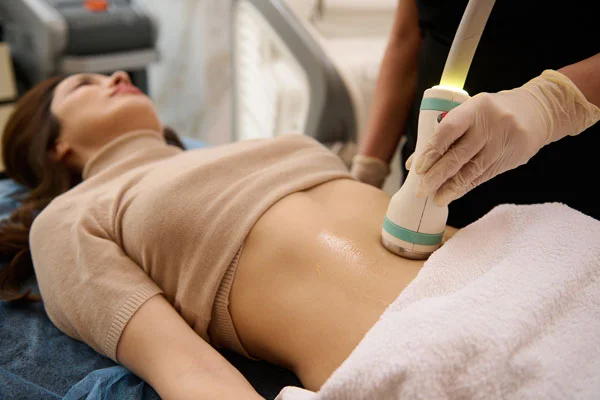
Using focused ultrasound energy, HIFU creates precise thermal points several millimetres beneath the skin. The surface remains largely untouched while deeper tissues respond.
Immediately after treatment, collagen fibres contract slightly. And over the following three to six months, the body steadily produces fresh collagen around those treated areas. Improvements appear gradually, and friends may comment that you look “well rested” without being able to pinpoint exactly why.
HIFU is commonly considered when concerns include:
- Early jowls
- Softening jawlines
- Mild neck laxity
- Brow descent
- General facial firmness
It’s worth mentioning, though, that expectations matter. Someone with significant skin laxity may require additional treatments or combination therapy rather than relying solely on HIFU. One device rarely solves every problem.
Fractional CO₂ Laser: Less About Lifting, More About Rebuilding
People hear “skin tightening” and assume every treatment performs exactly the same task. But it’s not really the case.
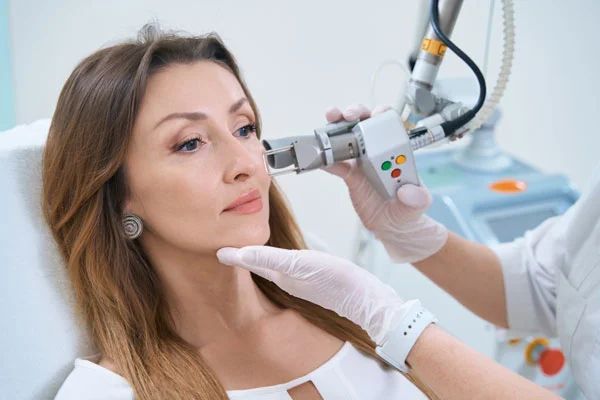
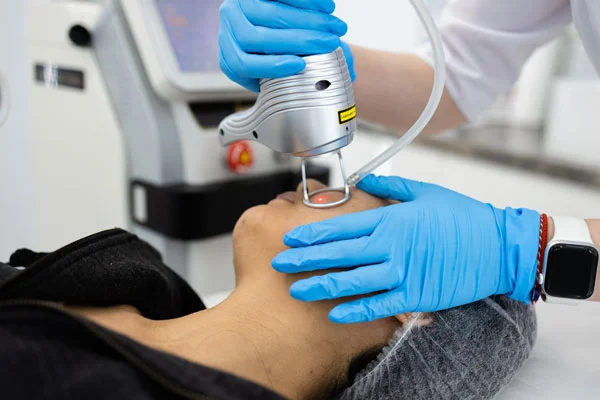
Fractional CO₂ laser plays a different game altogether. Rather than focusing primarily on lifting deeper tissue, it concentrates on improving the quality of the skin itself.
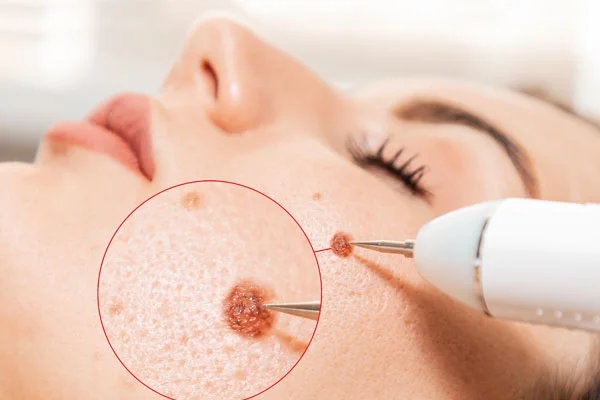
Instead of treating every inch, the laser creates thousands of microscopic treatment channels while leaving surrounding skin untouched. Those healthy areas rapidly help repair the tiny columns of controlled thermal injury.
Eventually, fresh collagen develops and damaged elastic fibres are replaced. Skin becomes smoother, stronger and noticeably healthier over time.
People often notice improvements in:
- Fine wrinkles
- Acne scarring
- Sun damage
- Uneven pigmentation
- Enlarged pores
- Rough texture
- Mild skin laxity
There’s a trade-off, naturally.
Unlike HIFU, Fractional CO₂ laser usually involves visible downtime. Expect redness, swelling, and peeling, but it’s all part of the normal healing process. The fresh skin underneath gradually reveals itself over the following days.
It can feel messy for a week, yet worth it for many people.
Also Read – The Science Behind Skin Therapy: What Makes It Effective?
Conclusion
The biggest takeaway is that skin tightening isn’t one treatment. Different technologies solve different biological problems, which is exactly why a personalised assessment matters far more than whichever device happens to be trending on social media this month.
If you need more help with your skin, feel free to reach out to our professionals at Kiora Skin Clinic in Melbourne. We will assess your skin and suggest appropriate treatments.