






































 03 8554 4343
The quest for a sculpted face has become common in modern culture. Social media filters flash razor-sharp jawlines across glowing screens, so many people begin to question their own reflections. But confusion quickly follows curiosity. One article blames salt, while another blames hormones. A third blames destiny written inside your DNA. As a result, frustration grows faster than clarity.
Understanding how facial fat works requires patience and nuance. The face does not behave like the abdomen, and the cheeks do not respond like the thighs. Facial fullness emerges from a complex interplay of genetics, fluid balance, muscle tone, bone structure, and age. So, the journey toward a slimmer face demands realism rather than popular hacks.
First things first—
How Does the Face Store Fat Differently?
Many assume that a rounded face signals poor health, but that is just an assumption. Some individuals possess naturally plush cheeks that look vibrant and youthful, and some others have fluid retention that swells their features temporarily. Bone structure also shapes the illusion of fullness.
In essence, facial fat distribution differs from body fat distribution. Certain areas store subcutaneous fat close to the skin, while other areas contain deeper fat pads that provide structure. Due to this, reducing overall weight does not guarantee immediate changes in facial contours.
Common signs associated with facial fullness include puffy cheeks, reduced jawline definition, roundness beneath the chin, and gradual neck thickening. However, it is not all genetics. Your lifestyle patterns, such as sleep, weave themselves into your appearance more than you might expect.
Also Read – How to Get Clear Skin: Fast, Naturally, and At Home
Chubby Cheeks vs Buccal Fat: Know the Distinction
The terms chubby cheeks and buccal fat often swirl together in online chatter. But they are not identical.
What Is Buccal Fat?
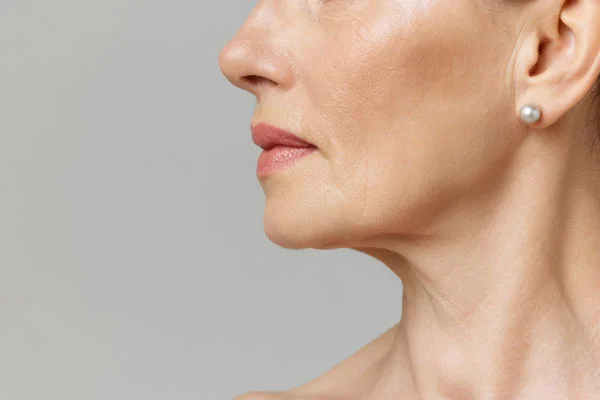
Buccal fat is a deep fat pad located within the lower cheek region. This pad adds softness and a youthful plumpness to the face. People born with larger buccal fat pads have their lower cheeks appear fuller regardless of body weight. But buccal fat naturally decreases with age, which explains why faces often look leaner over time.
Buccal fat does not fluctuate dramatically with short-term diet changes. Therefore, expecting rapid contour shifts through minor lifestyle tweaks leads to disappointment.
Also Read – Acne Scar Removal: Treatment Based on Scar Type
What Are Chubby Cheeks?
Chubby cheeks typically involve surface fat combined with fluid retention and mild inflammation. For example:
- A salt-heavy diet can encourage puffiness.
- Excess alcohol can inflame tissues.
- High sugar intake can promote overall weight gain.
As a result, cheeks may appear rounder without any change in deep structural fat. This type of fullness responds more readily to lifestyle modifications.
Knowing this distinction matters because it shapes expectations and strategies.
Also Read – What Makes a Good Dermal Therapist?
Weight Loss and the Honest Reality
General weight loss can reduce facial fat gradually. But the timeline varies widely. Some individuals notice changes in their faces early during weight reduction, while others retain cheek fullness until later stages. Genetics determine this sequence.
Many people bounce between internet advice threads searching for immediate miracles. But most of them only stumble upon unrelated myths and false claims. This causes expectations to inflate unrealistically, and disappointment follows swiftly.
Thus, patience becomes essential. Sustainable weight management through balanced nutrition and consistent movement provides the most reliable path. Quick fixes often evaporate as quickly as they appear.
Also Read – How to Choose the Right Skin Care Clinic in Melbourne?
Diet Habits That Influence Facial Fullness
Food choices reveal themselves on your face quickly. Sodium invites water retention, alcohol triggers inflammation, and processed carbohydrates encourage bloating. So, dietary refinement can transform facial appearance within weeks.
Here are some tips that work:
- Reducing salt intake helps minimise puffiness.
- Potassium-rich foods, such as leafy greens and bananas, support fluid equilibrium.
- Limiting sugar also stabilises insulin levels, which can reduce inflammation.
Drinking adequate water may sound paradoxical, yet hydration assists the body in regulating fluid balance. When dehydration occurs, the body clings to water defensively. As a result, the face may appear swollen.
These adjustments do not carve dramatic cheekbones overnight, but they gently polish your natural contours.
The Myth of Spot Reduction
One of the loudest myths claims that you can melt face fat through targeted exercises alone. This belief sounds appealing, but biology refuses to cooperate.
Spot reduction does not function the way advertisements promise. Fat loss occurs systemically when the body enters a caloric deficit. Therefore, the body chooses where to release fat based on genetic programming.
However, you can influence how your face appears.
- Muscle tone can enhance definition.
- Reduced inflammation can diminish puffiness.
- Improved posture can sharpen the jawline visually.
These shifts may be subtle, yet they accumulate over time.
Face Exercises: Hype or Help?
Facial exercises spark heated debates. Some swear by them, and the next dismiss them entirely. But the truth sits somewhere in the middle.
Facial workouts strengthen underlying muscles, and improved muscle tone can enhance definition subtly. Increased blood flow can reduce mild swelling. Lymphatic drainage may improve with gentle massage techniques. As a result, the face may look firmer and less puffy.
Still, facial exercises cannot dissolve deep fat pads. They also cannot reshape bone structure or erase genetic predispositions. Expect simple refinement rather than dramatic transformation.
Buccal Fat Removal: A Permanent Choice
Buccal fat removal has surged in popularity. The procedure surgically extracts the buccal fat pad from the lower cheeks. The result often appears as slimmer lower facial contours and sharper angles.
The permanence of this procedure demands careful thought. Once removed, buccal fat does not regenerate. Ageing naturally reduces facial fat over time. Therefore, excessive removal can produce premature hollowing in later years.
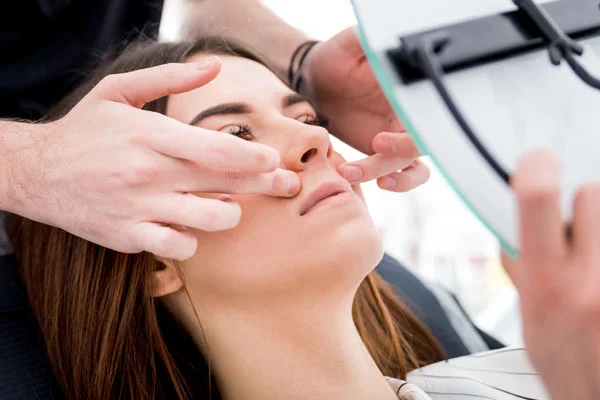
This intervention suits specific facial structures. Consultation with a qualified professional becomes essential before considering irreversible changes.
Final Word
Facial slimming thrives on realism rather than fantasy. No single tactic does the entire work. A mix of modest habits gradually reshapes appearance. If you need more help understanding your facial structure, feel free to connect with our team at Kiora Skin Clinic. We will help you embrace informed choices and dismiss exaggerated promises.