


















 03 8554 4343
Clear skin is one of those goals that sounds simple until you actually try to achieve it. One breakout fades, another shows up. You change a product, your skin reacts. You drink more water, sleep better, and still wake up to texture or redness you didn’t expect.
In most cases, clear skin is not about one miracle fix. It is usually the result of a few consistent habits, realistic expectations, and understanding what your skin is actually responding to. Genetics, climate, stress levels, hormones, and even how often you touch your face all play a role. Some variation is normal, even when you are doing things “right.”
This guide focuses on what you can do at home, using natural and accessible methods, while also explaining how professional skin treatments can support and speed up the process.
Start With the Basics You Can Control
Before adding masks, serums, or trending routines, it helps to look at the basics. Many skin issues come from overdoing rather than underdoing. For example, washing your face twice a day works for most people, but more than that can strip the skin barrier. If your skin feels tight after cleansing, that is often a sign it is being pushed too far. A gentle cleanser that does not foam aggressively is usually a safer bet, especially if you live in a dry or polluted environment.
Water temperature matters more than people think. Hot water can increase redness and irritation, particularly if you are prone to acne or rosacea. Lukewarm water on the other hand tends to keep the skin calmer.
Towels and pillowcases are another overlooked detail. In real life, these fabrics collect oil, sweat, and bacteria. Changing pillowcases every few days and using a clean towel for your face can reduce breakouts over time. It sounds minor, but small things add up.
Also Read – Acne Scar Removal: Treatment Based on Scar Type
Eat for Skin Support, Not Skin Perfection
Food alone will not give you flawless skin, but it can either support or sabotage your efforts.
In many cases, diets high in refined sugar and ultra-processed foods correlate with increased breakouts. This does not mean you need to restrict your diet, it means noticing patterns. If you consistently break out after heavy dairy intake or sugary snacks, that is information worth paying attention to.
Hydration matters too, though it is not magic. Drinking water helps overall skin function, but it will not erase acne overnight. You might notice skin looks slightly plumper and less dull when you are well hydrated, especially in hot or air-conditioned climates.
Foods rich in omega-3 fats, such as walnuts or flaxseeds, can help support the skin barrier and vegetables with antioxidants may help calm inflammation. These are long-term supports,and not quick fixes.
Also Read – What Makes a Good Dermal Therapist?
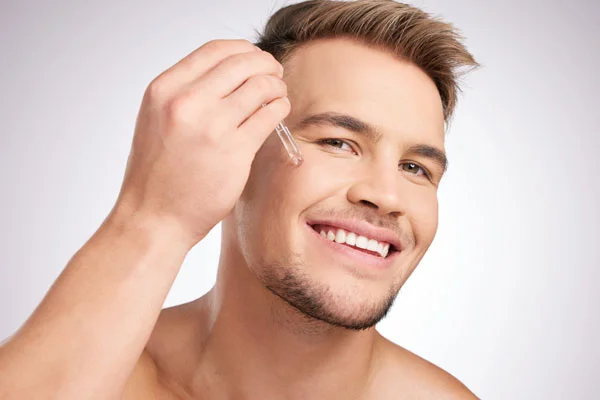
Natural Ingredients That Can Help at Home
Natural does not always mean gentle, so it is still worth being careful. Aloe vera is one of the safer options for soothing irritated skin. In most cases, it can help reduce redness and support healing after breakouts. Raw aloe gel or a simple formulation works best.
Honey, particularly raw honey, has mild antibacterial properties. Some people use it as a short contact mask. It can leave skin feeling softer and calmer, though results vary.
Green tea, applied topically or consumed regularly, may help reduce inflammation. Using cooled green tea as a toner is something people try at home, especially for redness-prone skin.
But make sure to avoid mixing too many ingredients at once. Lemon juice, baking soda, and harsh scrubs are still common online advice, but they often do more harm than good. Damaging the skin barrier almost always leads to more breakouts later.
Also Read – How to Choose the Right Skin Care Clinic in Melbourne?
Sleep, Stress, and the Skin Connection
Sleep is when the skin repairs itself and poor sleep can increase inflammation and oil production. You might notice more breakouts during stressful weeks or after several late nights.
Stress triggers hormonal responses that can worsen acne and slow healing. Managing stress does not mean eliminating it. It can be as simple as regular walks, stretching, or setting limits on screen time before bed.
Why “Fast” Results Can Be Tricky
Everyone wants fast results, and some improvement can happen quickly, especially if you stop irritating your skin. Redness may calm down in days and active breakouts can reduce within a couple of weeks.
What usually takes longer is texture, pigmentation, and recurring acne. Skin renews itself roughly every four weeks, sometimes longer. Expecting overnight transformation often leads to frustration and product hopping, which can make things worse.
When At-Home Care Is Not Enough
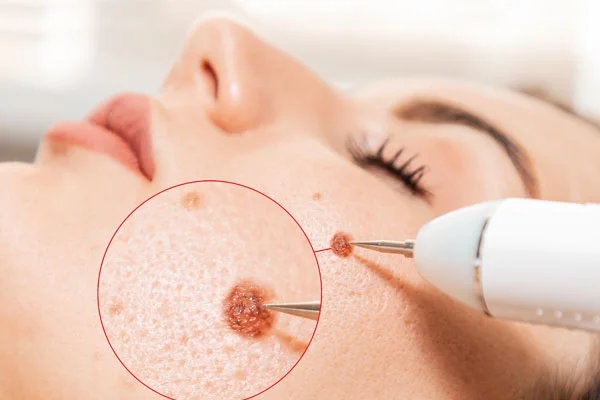
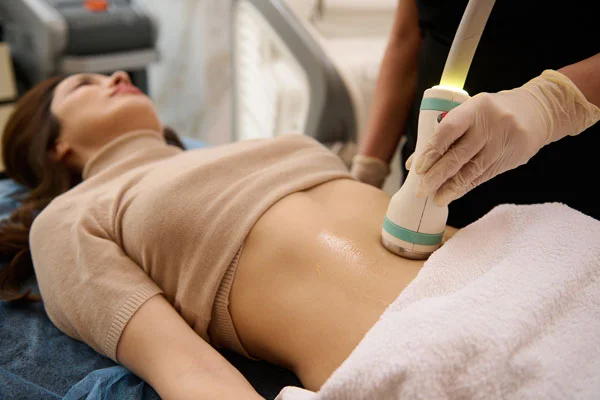
There are situations where home care alone does not fully address the issue. Persistent acne, deep pigmentation, scarring, or chronic sensitivity often need professional input. This is where clinical skin treatments can play a supportive role.
How Professional Skin Treatments Support Clear Skin
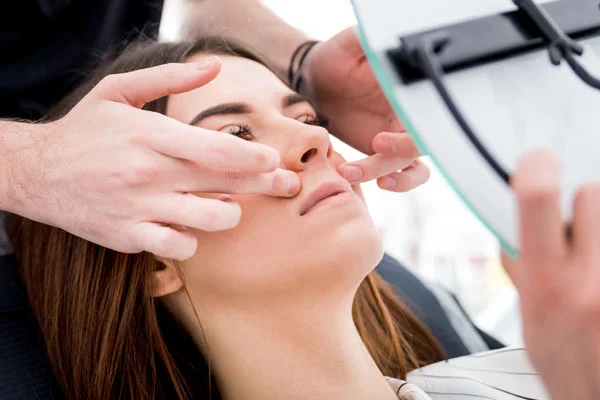
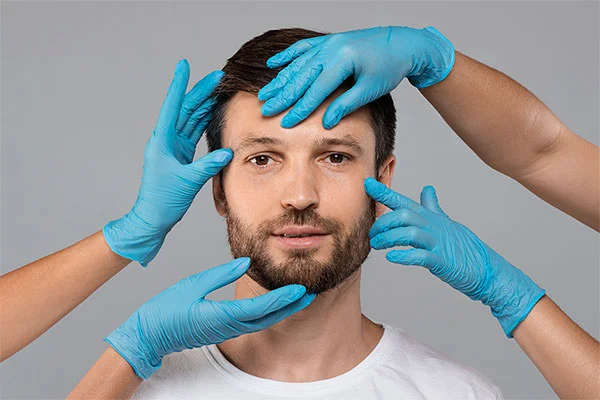
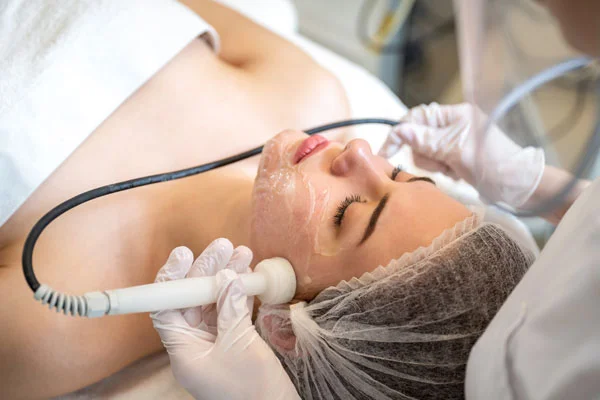
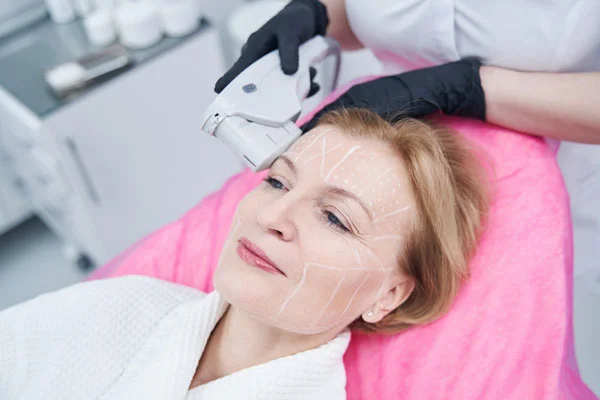
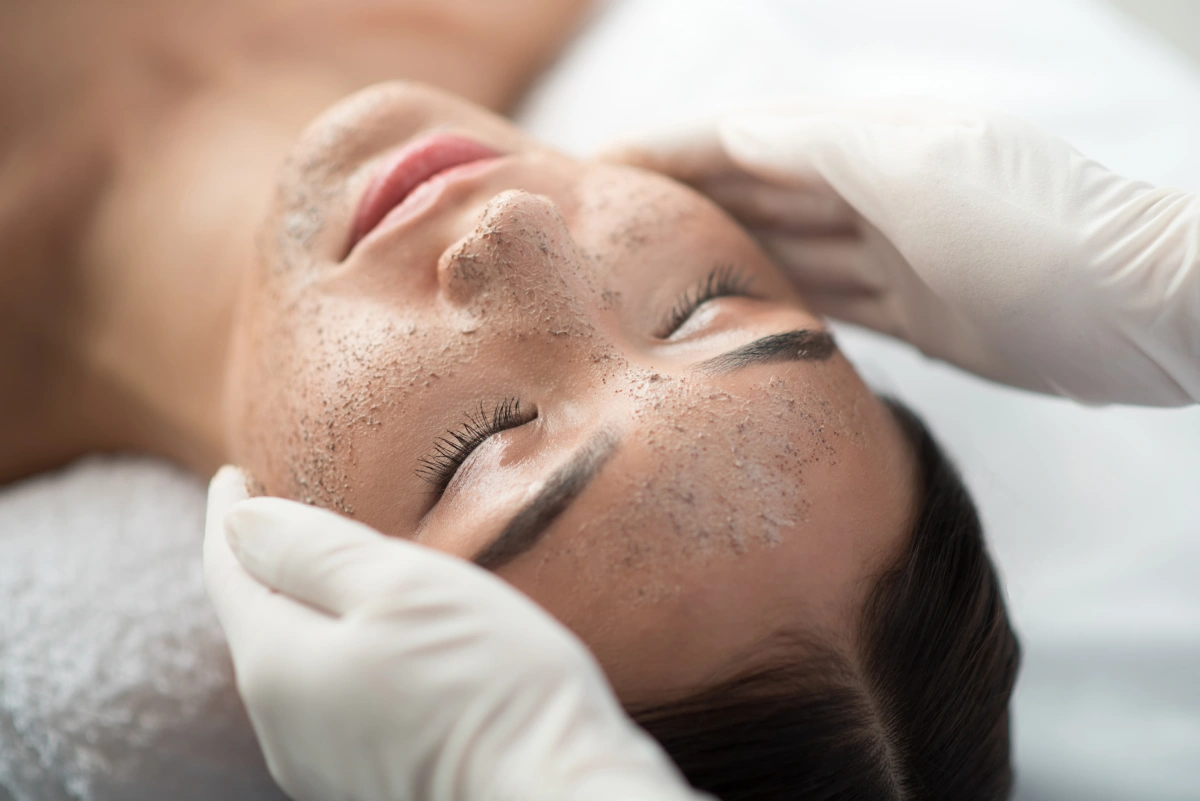
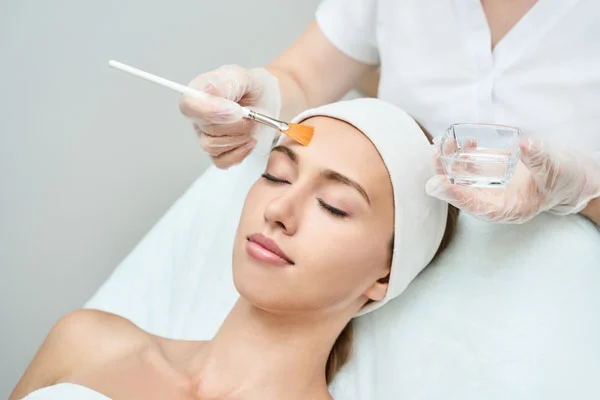
In a clinic setting, treatments are designed to work with your skin rather than overwhelm it. A professional assessment helps identify whether acne is hormonal, bacterial, inflammatory, or linked to barrier damage. Chemical peels, when done properly, can help clear clogged pores and improve skin turnover without the unpredictability of DIY acids. The strength and formulation are chosen based on your skin type and concerns.
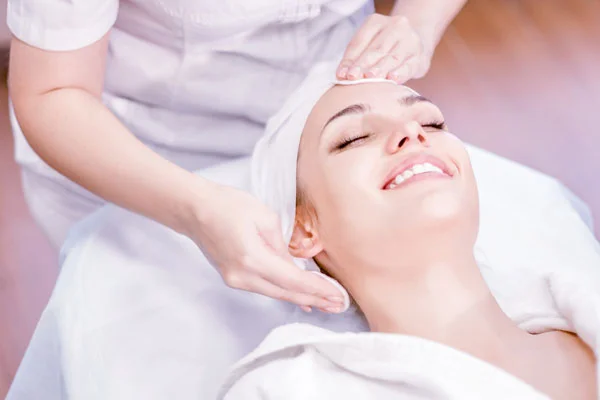
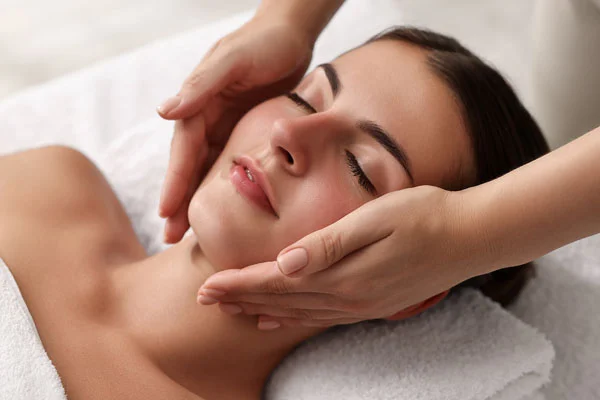
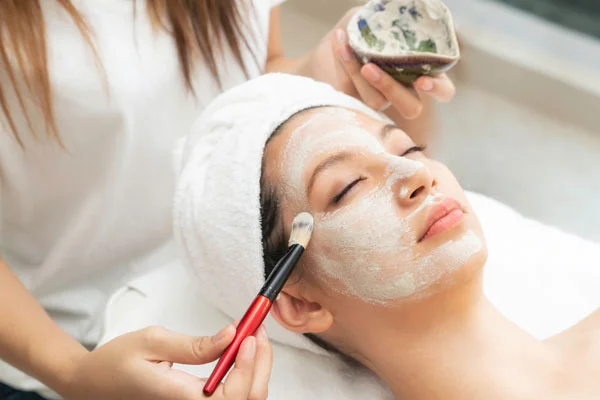
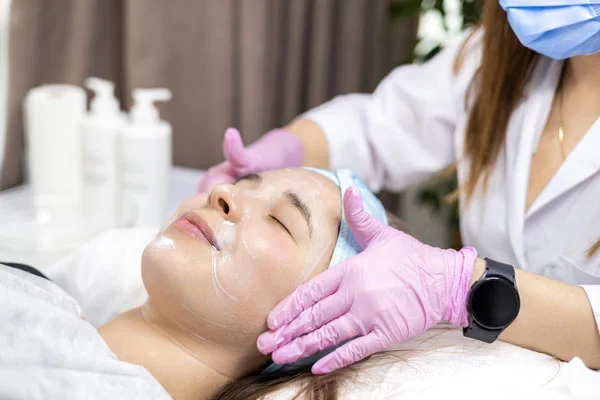
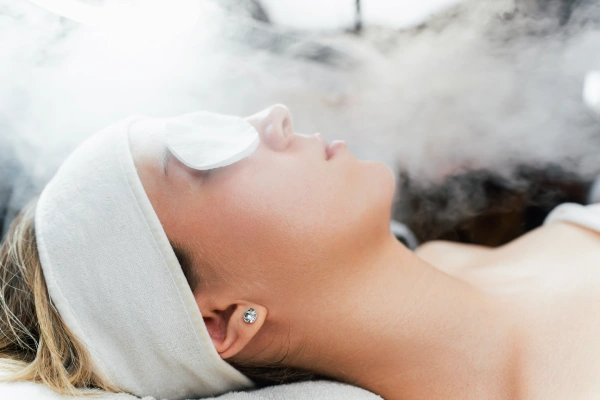
Medical-grade facials go beyond relaxation. They often include controlled exfoliation, extraction when necessary, and calming therapies that help reduce inflammation.
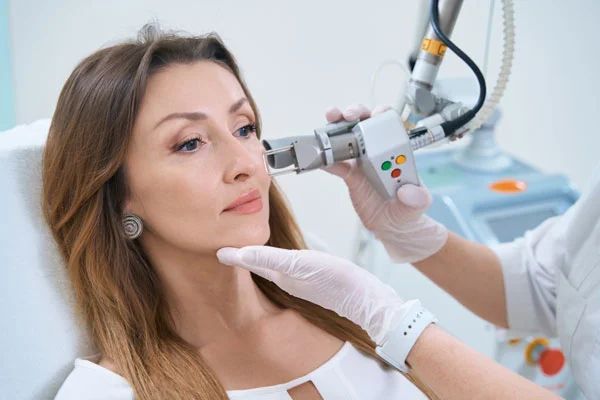
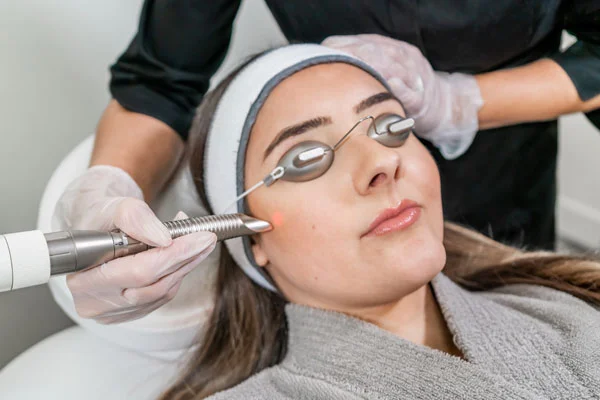
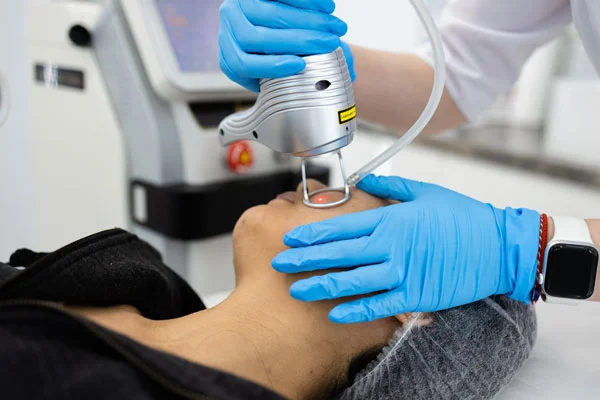
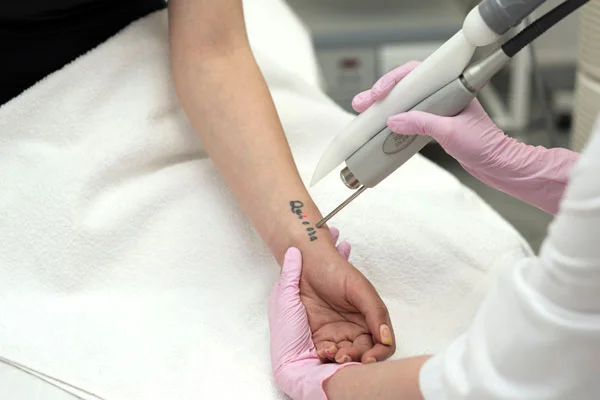
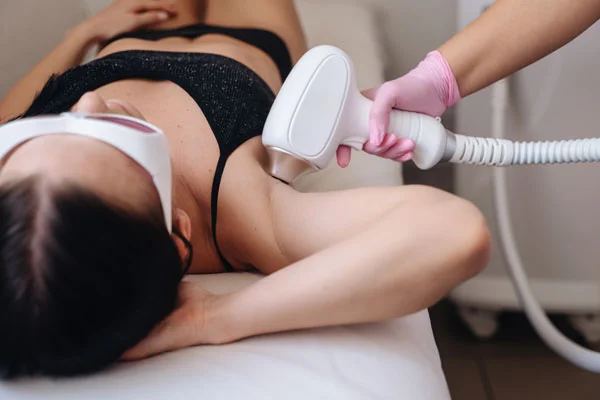
Laser and light-based treatments can target acne bacteria, redness, and pigmentation. These are not quick fixes, but in many cases, they reduce recurrence and speed healing.
For some people, prescription-grade topicals or oral treatments may be recommended. These are not about taking shortcuts. They are about addressing root causes that skincare products cannot reach.
Combining Home Care With Clinical Support
The best results often come from combining consistent home routines with occasional professional treatments. Think of clinic care as a reset or a boost, not a replacement for daily habits. After treatments, your at-home routine usually becomes simpler. Fewer products, more focus on barrier repair, and better long-term stability. Clear skin, in real life, is not flawless skin. It is skin that behaves predictably, heals well, and does not constantly demand attention.
Final Thoughts
Getting clear skin fast, naturally, and at home is possible to a degree, especially if your skin concerns are mild to moderate. Gentle habits, patience, and paying attention to how your skin responds matter more than trends. When results plateau or issues persist, professional skin treatments can make the process more efficient and less frustrating.
At Kiora Skin Clinic, we aim to help you achieve your dream skin. Connect with us for a consultation and with our experts determine what is right for your skin.